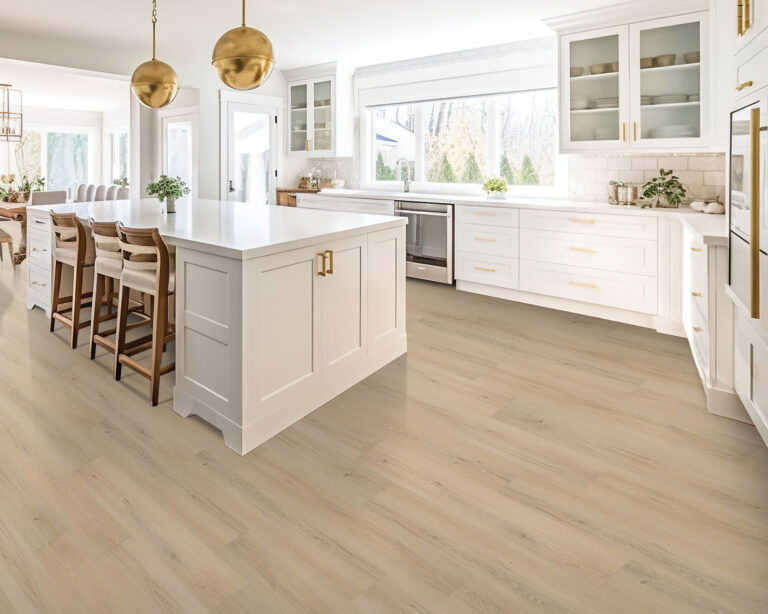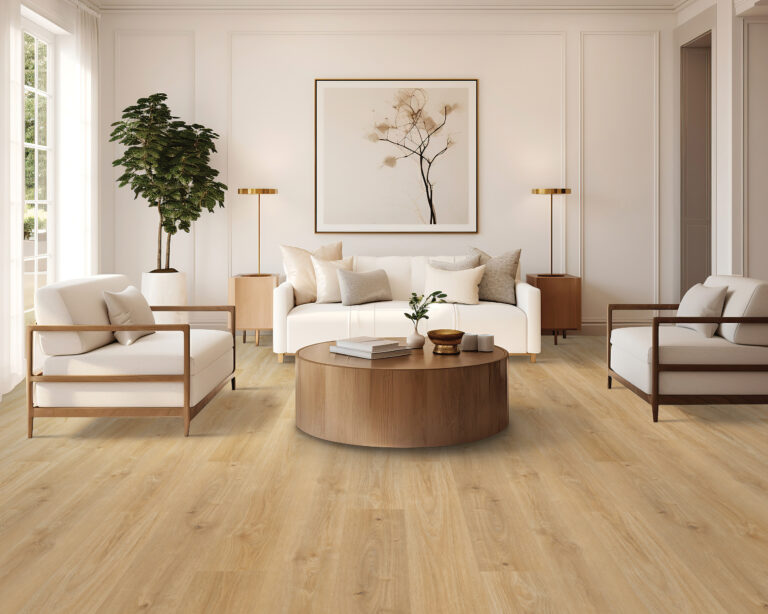
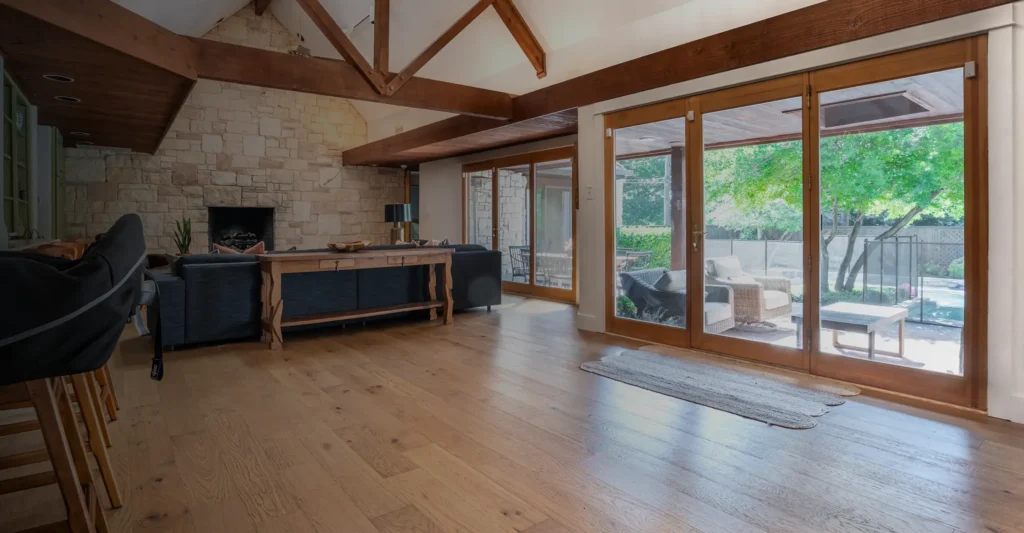
Walk through a new build in Frisco or a freshly renovated bungalow in Lakewood and look down. Chances are the wide, warm planks under your feet are engineered, not solid. There is a reason. Homeowners choosing engineered hardwood flooring dfw projects want real wood character without the headaches North Texas throws at traditional boards: swinging humidity, concrete slabs, and clay soil that never sits still. This guide covers how the product is built, how to judge quality, where it belongs in your home, and what to expect on cost and care.
What Engineered Hardwood Really Is
Think of an engineered plank as a sandwich. The top slice is genuine hardwood, called the wear layer. Under it sits a core made from layers of plywood or high-density fiberboard, stacked so the grain of each layer runs in a different direction. That cross-layering is the secret. It keeps the plank from swelling and shrinking the way a single piece of solid lumber does. You still get real oak, hickory, or walnut on the surface. Underneath, you get stability.
Why It Suits North Texas
Dallas summers are muggy. Winters dry out indoor air. Beneath many neighborhoods, expansive clay swells after heavy rain and shrinks during drought, nudging foundations along with it. Solid boards react to every one of those swings, and the gaps and cupping show up fast.
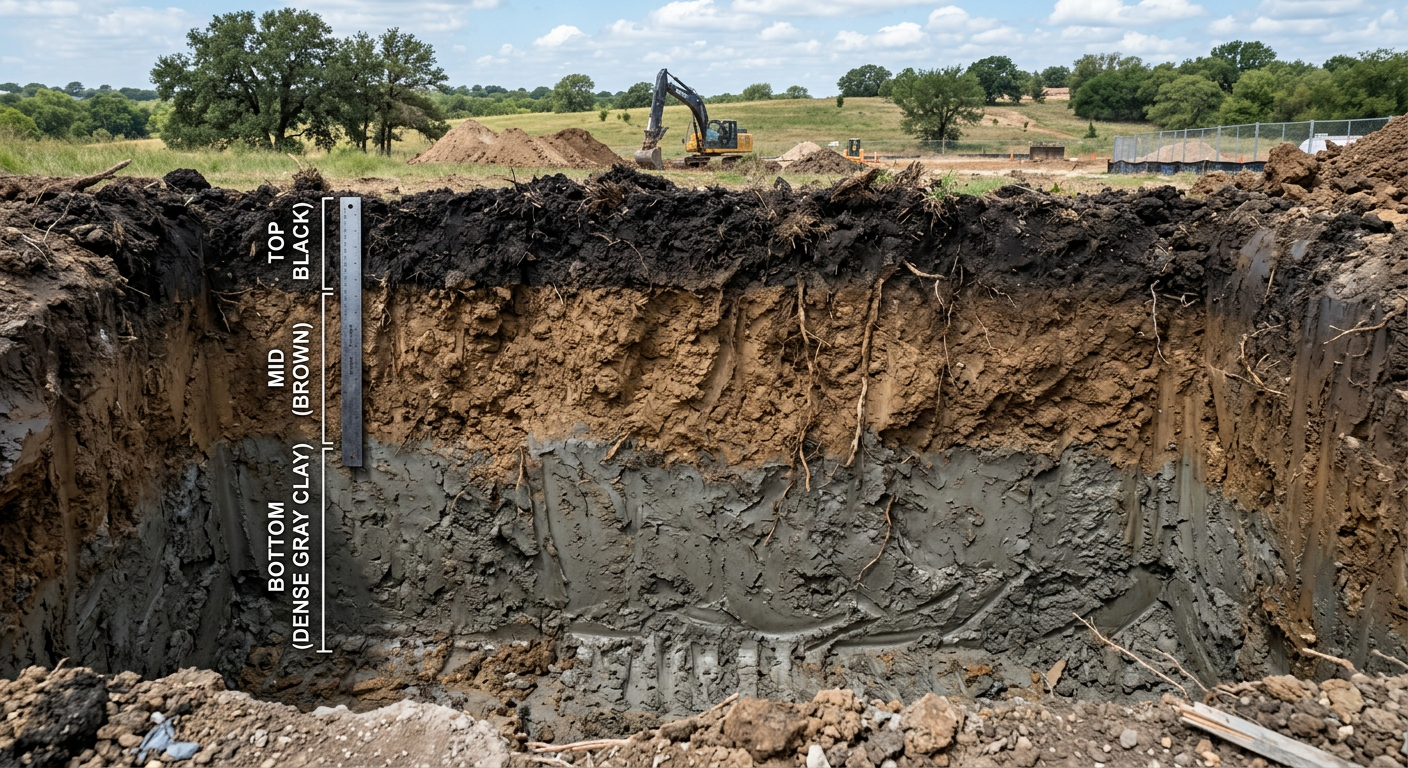
Slabs add another wrinkle. Solid hardwood normally gets nailed to a wood subfloor, and plenty of DFW homes do not have one. Engineered planks can be glued down or floated over concrete once a moisture test confirms the slab is dry enough. Anyone comparing hardwood flooring in Dallas options usually finds that this flexibility settles the argument.
How to Read a Spec Sheet
Two engineered floors can look identical in a showroom and perform very differently in your home. Check these details before you sign anything.
- Wear layer thickness. Layers under about 2 millimeters generally cannot be sanded. Three millimeters or more can usually handle one or two refinishes, and the thickest layers, up to 6 millimeters, last longest.
- Core construction. Multi-ply plywood cores are generally favored for dimensional stability. Ask what the core is made of, then ask again if the answer sounds vague.
- Species and hardness. Hickory rates around 1,820 on the Janka scale, maple near 1,450, white oak around 1,360, and walnut closer to 1,010. Softer species dent sooner, which matters in homes with dogs and kids.
- Finish and texture. Matte and wire-brushed surfaces hide scratches far better than glossy ones.
The National Wood Flooring Association publishes installation and moisture guidelines that reputable installers follow, so ask your contractor how closely they work to those standards.
Engineered, Solid, or LVP?
Solid hardwood can be sanded many times over decades, which makes it the longevity champion. It is also the most sensitive to humidity and the hardest to install on a slab. Luxury vinyl plank wins on water resistance and price, though it will never be real wood, and buyers notice. Engineered sits in the middle: real wood, better stability, and moderate refinishing ability. Pick based on the room, your budget, and how much moisture the space sees.
Which Rooms Work Best
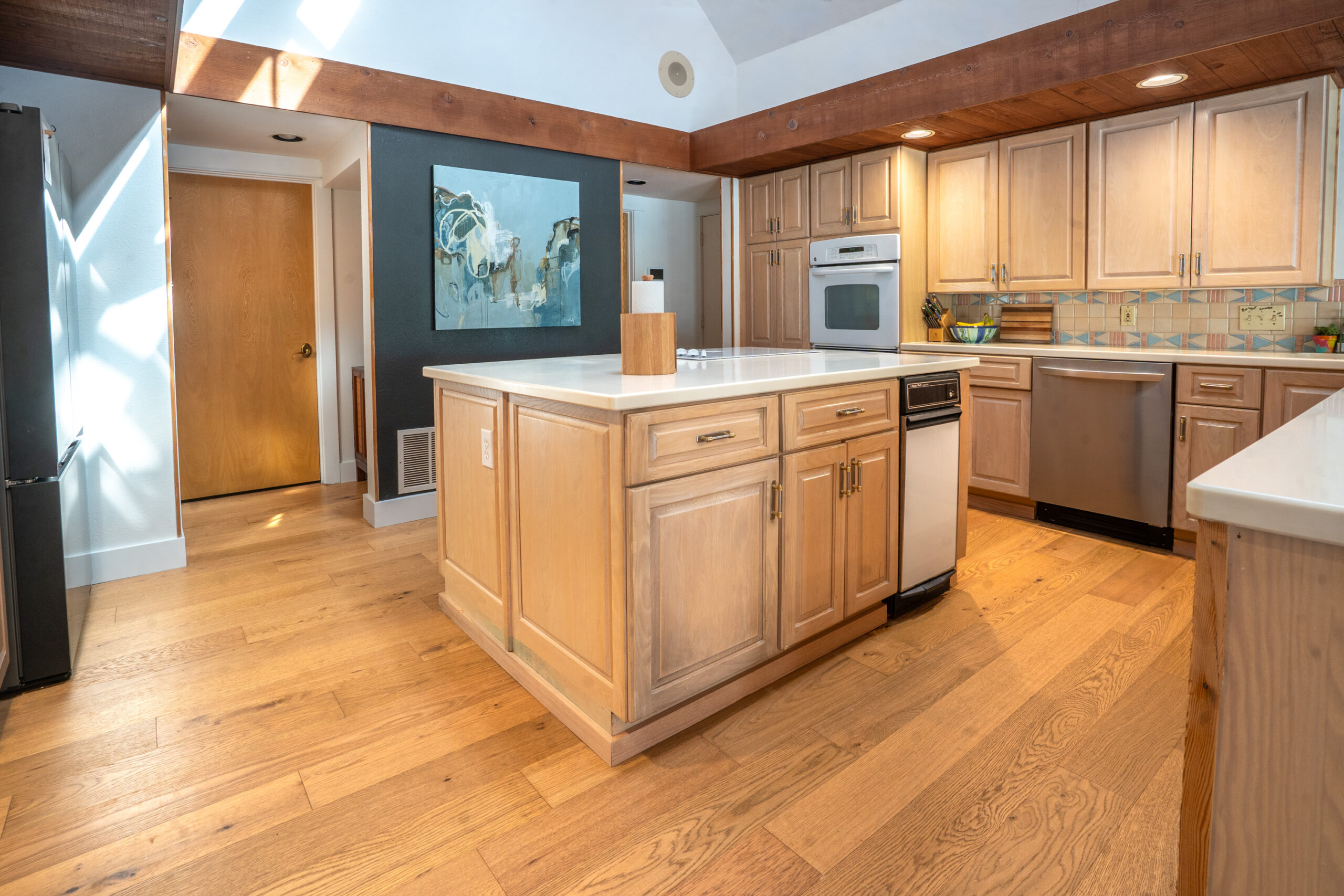
Living rooms, bedrooms, dining rooms, hallways, and home offices are natural fits. Wide planks in an open-concept space look especially sharp.
Kitchens come up constantly. Plenty of homeowners want to know the best kitchen flooring for DFW houses, and engineered hardwood can work there if you wipe up spills quickly and repair leaks the same day. It is water resistant at best, not waterproof. If your household is rough on floors, compare it with luxury vinyl plank or porcelain tile before deciding. Bathrooms and laundry rooms are better left to those waterproof options entirely.
Still sorting through materials for the whole house? Our complete guide to flooring in Dallas covers every major category side by side.
Installation Basics
Three methods dominate engineered hardwood flooring dfw installations: glue-down, floating, and nail-down. Over concrete, glue-down and floating are the usual choices. Floating floors rest on underlayment without adhesive, which makes them quicker to install and easier to replace later. Glue-down feels more solid underfoot and tends to be quieter.
Whichever you pick, a few steps are not optional. Test the slab for moisture. Let the planks acclimate in the home for the time the manufacturer specifies. Lay a vapor barrier where required. Skipped steps cause most warranty headaches, and a careful installer avoids them.
What It Costs in 2026
Pricing swings widely. Material alone commonly runs from roughly $4 per square foot for entry-level lines to well above $12 for premium species and thick wear layers. Installation, subfloor preparation, removal of old flooring, baseboards, and transitions all add to the total. Costs also shift between contractors and between seasons, so collect at least three itemized quotes. A cheaper plank with a paper-thin wear layer can end up costing more if it needs replacing in ten years.
Care That Keeps It Looking New
Maintenance is simple, but it has to be consistent.
- Sweep or vacuum with the beater bar turned off.
- Damp mop with a cleaner the manufacturer approves. Never use a steam mop.
- Place felt pads under furniture and mats at entries.
- Hold indoor humidity between roughly 30 and 50 percent.
That last point matters in Texas. A humidifier in winter and air conditioning in summer do more for your floor than any product you can buy.
Final Thoughts
Engineered hardwood earns its popularity honestly. It delivers the look of real wood, handles local conditions better than solid boards, and installs where solid wood often cannot. Buy on construction quality, not just color. Check the wear layer, the core, and the installer’s process.
Done right, engineered hardwood flooring dfw homeowners choose today can stay beautiful for decades. Ready to compare options, costs, and room-by-room recommendations? Explore the guides at Flooring Guide DFW and make your next flooring decision with confidence.
Frequently Asked Questions
Q1. Is engineered hardwood a good choice for Dallas homes?
Yes. Its cross-layered core handles humidity and temperature swings better than solid hardwood.
Q2. Can engineered hardwood be installed over a concrete slab?
Yes. It can be glued down or floated, as long as the slab passes a moisture test first.
Q3. Can I use engineered hardwood in a kitchen?
Yes, with quick spill cleanup and prompt leak repairs. It is not waterproof, so avoid it in bathrooms and laundry rooms.
Q4. Can engineered hardwood be refinished?
It depends on the wear layer. Planks with 3 millimeters or more can usually be sanded once or twice.
Q5. How long does engineered hardwood last?
Quality floors with steady care often last 20 to 30 years or longer, depending on wear layer thickness and installation.