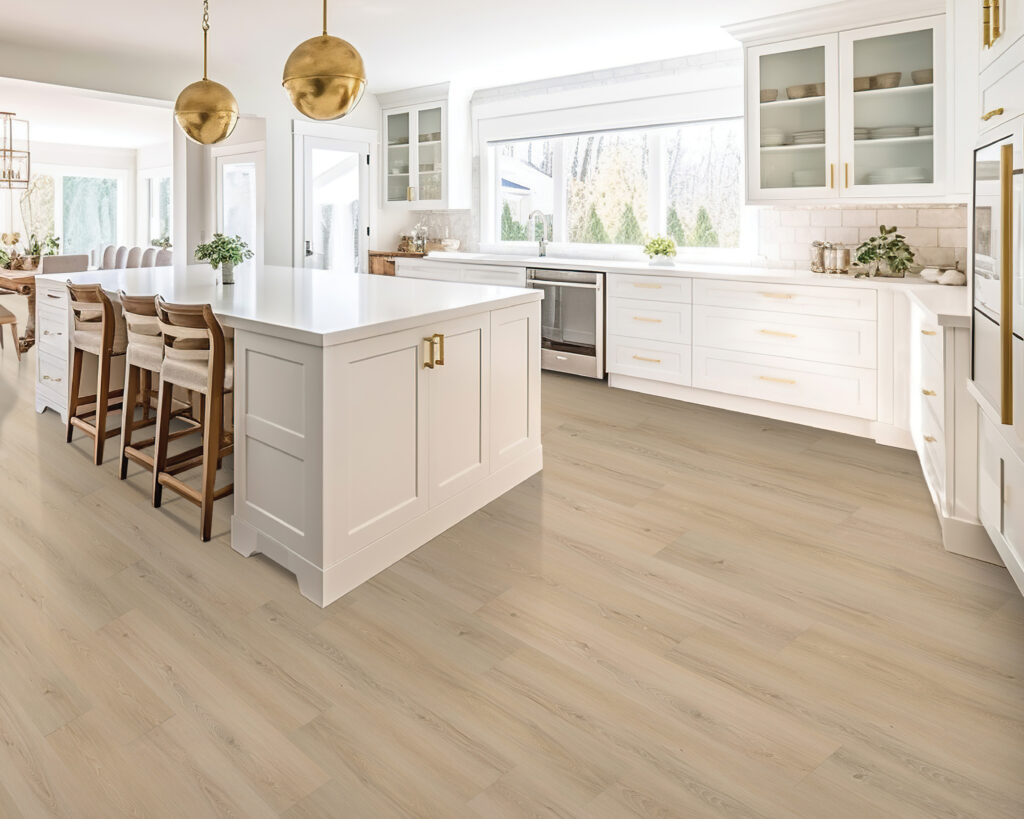
The kitchen floor leads a hard life. Hot pans slip. Juice lands. A dog’s water bowl tips over at 6 a.m. In a North Texas open-concept home, that same floor also runs straight into the living room, so it has to look good while it works. Picking the best kitchen flooring for DFW means weighing water, wear, and comfort against how your family actually cooks and lives. Three materials come up again and again: porcelain tile, luxury vinyl plank, and engineered hardwood. Here is how each one holds up.
What a DFW Kitchen Asks of a Floor
Dishwashers leak. Refrigerator lines drip. Big windows pour afternoon sun across the room, and summer heat settles in. Beneath it all, expansive clay soil nudges concrete slabs around through wet and dry seasons. A floor that ignores those realities ages fast. A floor built for them quietly does its job for years.
Porcelain Tile: The Tough Option
Porcelain is dense. Its water absorption rate typically sits under 0.5 percent, so spills, steam, and grease barely register. It resists scratches and stains, and it will not fade in strong sunlight, which matters in kitchens with large windows.
The trade-offs are real. Tile feels cold underfoot on winter mornings, and it is unforgiving if a slab shifts. Cracks usually trace back to prep work, not the tile itself. A skilled installer and a crack isolation membrane make a big difference. Large-format tiles, around 24 by 48 inches, also cut down on grout lines, which are where dirt and grease like to settle.
Luxury Vinyl Plank: The Easygoing Option
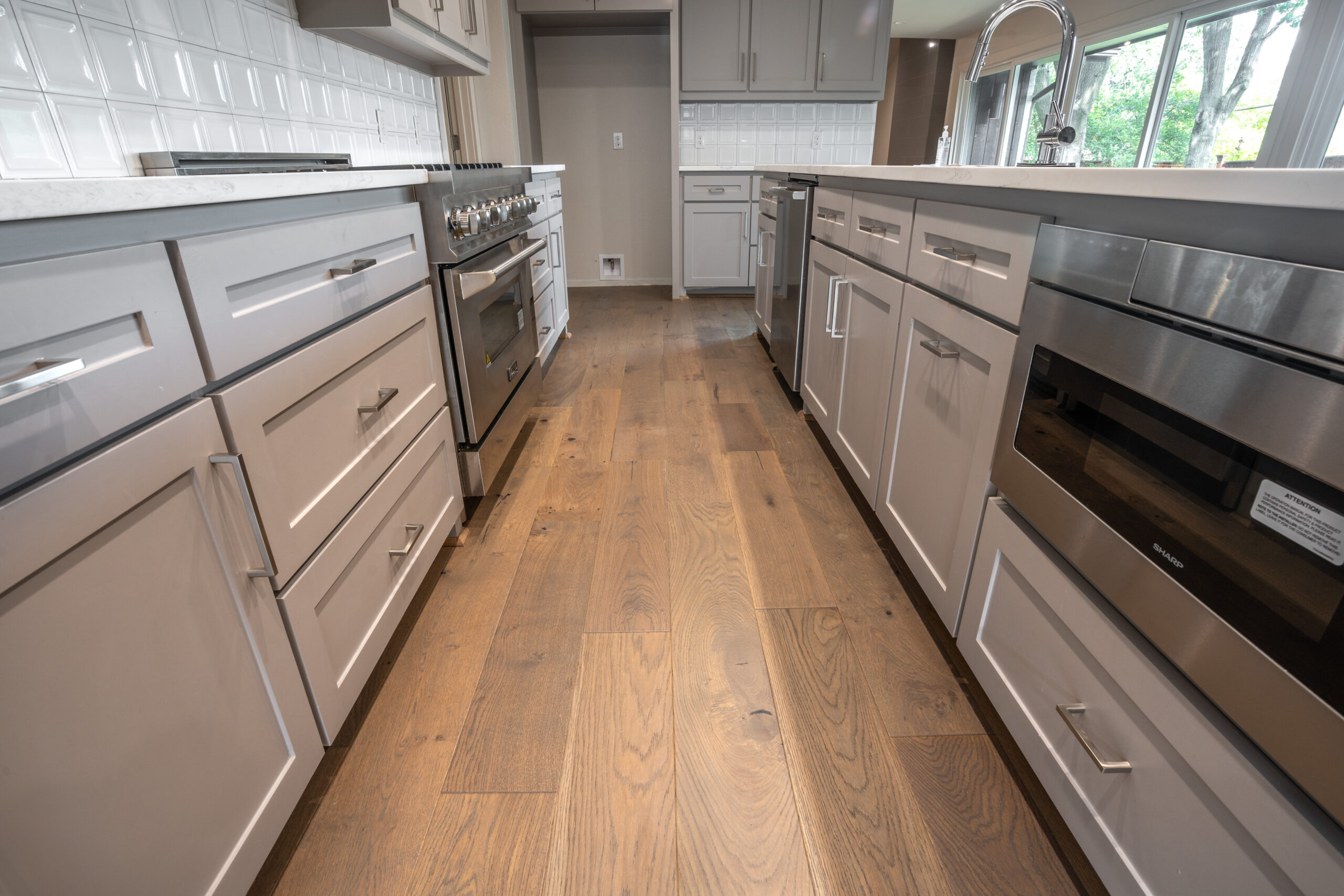
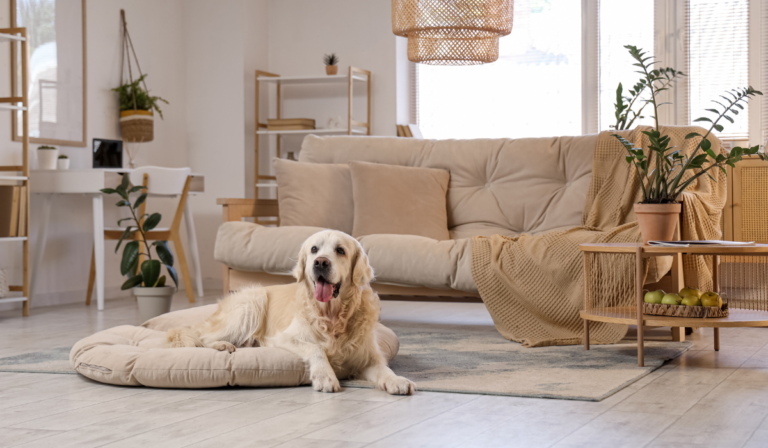
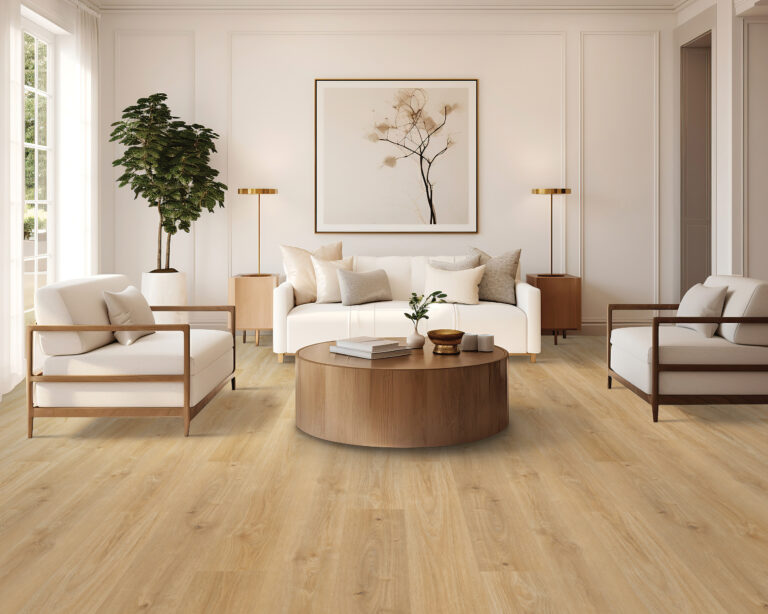
LVP delivers a wood or stone look with a waterproof core, and many manufacturers offer fully waterproof lines. It is softer and slightly cushioned underfoot, so standing at the stove feels kinder on the feet and joints. Over a slab, it tends to forgive minor foundation movement better than rigid tile. For families with kids and pets, it often ranks among the best flooring for DFW homes.
It does have limits. Strong, prolonged sun can fade some products, and a dropped cast iron pan can dent or gouge the surface. Look for a wear layer of at least 12 mil, and 20 mil if your household is rough on floors.
Engineered Hardwood: The Showpiece
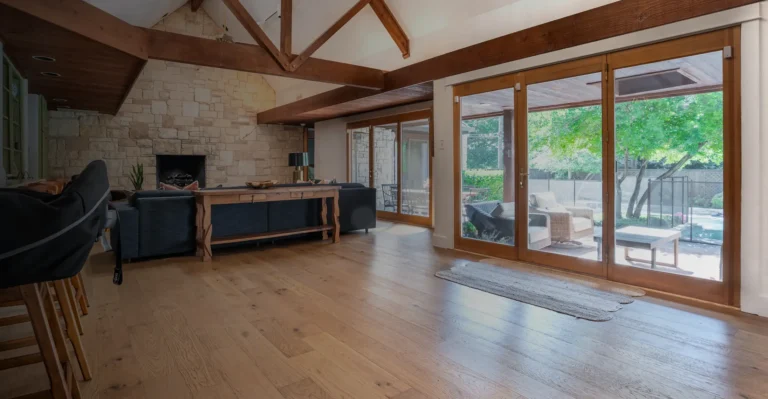
Real wood on top, a stable layered core below. In an open layout, one floor that flows from the living room into the kitchen makes the whole space feel larger and more connected. Plenty of homeowners put engineered hardwood flooring DFW designers recommend near the top of their wish lists for exactly that reason.
Water is the catch. Engineered hardwood is not waterproof, and spills that sit can work into the seams. Wipe up quickly, choose wider planks to reduce seams, and keep a washable rug at the sink and dishwasher. The National Wood Flooring Association publishes care guidance that applies to wood floors in busy kitchens.
Engineered Hardwood vs. LVP: The Head-to-Head
The engineered hardwood vs LVP question comes down to a few trade-offs.
- Water: LVP wins easily. Engineered hardwood needs prompt cleanup.
- Look: Hardwood has real grain and character. LVP offers a convincing print that is hard to tell apart from a few feet away.
- Wear: Both can scratch. A matte, textured finish hides marks better in either material.
- Comfort: LVP is softer underfoot. Hardwood feels warm but firmer.
- Value: Hardwood tends to appeal more to buyers at resale. LVP usually costs less to install.
A Quick Note on Waterproof Laminate
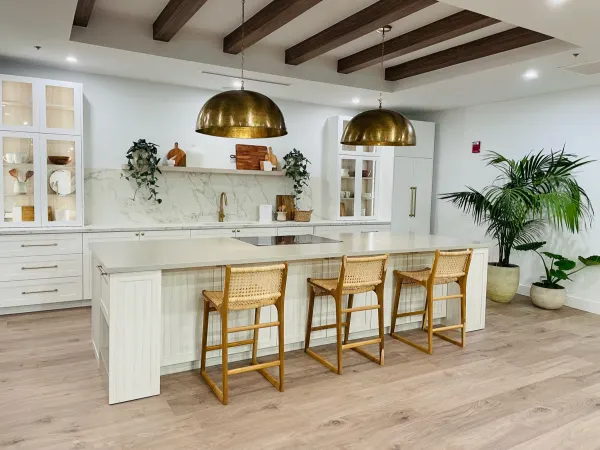
Newer waterproof laminate is worth a look if scratches worry you more than water. It resists scratching well and feels warmer and quieter than tile, though its moisture performance does not match porcelain or vinyl.
Match the Floor to Your Household
- Kids and pets: LVP or porcelain tile. Both shrug off spills and clean up easily.
- Sun-drenched kitchen: Porcelain tile, since it will not fade.
- Open concept with a careful cook: Engineered hardwood flooring DFW homeowners choose for flow, with rugs at the wet zones.
- Tight budget: LVP usually delivers the most performance per dollar.
Whichever way you lean, the best flooring for DFW homes is the one that fits your habits, not just your inspiration board.
Installation Matters as Much as the Material
Even the best kitchen flooring for DFW can underperform when the prep gets rushed. Test the slab for moisture before anything goes down. Use the underlayment or vapor barrier the manufacturer calls for, and seal edges around the dishwasher and sink. Cheaper installs rarely fail right away, which is why the repair bills tend to arrive late. Ask installers how they prep, and read the warranty before you sign.
What to Budget
Pricing swings by brand and thickness. Material commonly runs about $2 to $7 per square foot for LVP, roughly $3 to $10 for porcelain, and about $4 to $12 for engineered hardwood. Labor, subfloor prep, and removal of the old floor come on top. Gather three itemized quotes, and compare wear layers, not just the sticker price.
Daily Care That Pays Off
Sweep or vacuum often, because grit scratches every hard surface. Wipe spills right away, and use a damp mop with a cleaner the manufacturer approves. Skip the steam mop on vinyl and wood. Felt pads under stools and chairs prevent the small dings that add up over time.
Final Thoughts
There is no single winner. Porcelain tile fights water and sun, LVP balances comfort and cost, and engineered hardwood delivers beauty with extra care. Settle the engineered hardwood vs LVP debate by looking honestly at how your household cooks, spills, and lives. Match the material to those habits, get the installation right, and the best kitchen flooring for DFW will look good long after the renovation dust has settled.
Still comparing? Explore room-by-room guides, a free flooring quiz, and a cost calculator at Flooring Guide DFW.
Frequently Asked Questions
Q1. Is LVP or porcelain tile better for a DFW kitchen?
Both handle water well. Porcelain is tougher and will not fade in sun, while LVP is softer underfoot and more forgiving over a shifting slab.
Q2. Can I put engineered hardwood in a kitchen?
Yes, if you wipe spills quickly and use rugs near the sink and dishwasher. It is water resistant at best, not waterproof.
Q3. Does sunlight fade kitchen flooring?
Strong, prolonged sun can fade some LVP products. Porcelain tile does not fade.
Q4. Why can tile crack in Dallas-Fort Worth homes?
Clay soil movement can shift slab foundations. Proper prep and a crack isolation membrane reduce the risk.
Q5. How thick should an LVP wear layer be for a kitchen?
Aim for at least 12 mil, and 20 mil for busy households with kids, pets, or heavy cooking.