Dogs do not read flooring brochures. They sprint across hallways at full speed, drag toys over seams, and treat the spot by the back door like a swimming hole after a rainstorm. A floor that looks flawless in the showroom can show scratches, stains, and gaps within months. Choosing pet friendly flooring dfw homeowners can live with means avoiding a handful of expensive errors before a single plank goes down. Here are the ones we see most, and how to sidestep each.
Mistake 1: Picking Color Before Construction
Everyone starts with the look. That is natural, and it is also where trouble begins. A pretty floor with a thin wear layer or a soft wood species will dent and scratch under paws no matter how carefully you clean it.
Check construction first. For hardwood, species matters: hickory rates about 1,820 on the Janka hardness scale, white oak around 1,360, and walnut closer to 1,010. For vinyl, look for a wear layer of at least 12 mil, and 20 mil if your dog is large or very active. Then choose the color.
Mistake 2: Treating Waterproof as Pet-Proof
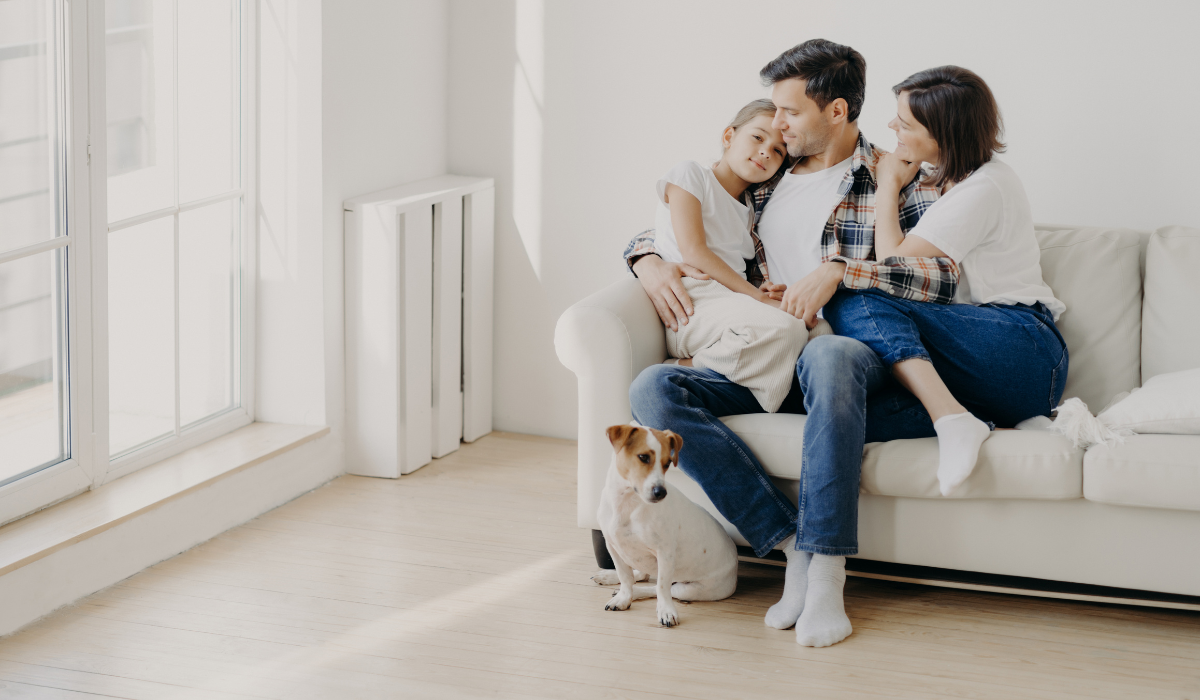
Waterproof and scratch proof are two different promises. Rigid-core vinyl shrugs off a tipped water bowl, which makes waterproof flooring in Dallas, TX a smart pick for pet households. It will not stop a determined digger from marring the surface.
Accidents deserve attention too. Urine that seeps through a seam can reach the subfloor and leave odor behind, even when the plank itself is unharmed. Wipe messes quickly, and check where planks meet walls and doorways.
Mistake 3: Falling for High-Gloss Finishes
Glossy floors look polished until a dog crosses them. Every scratch catches the light, and every paw print shows. They are slippery, too.
Matte, low-sheen, and wire-brushed or hand-scraped textures hide wear far better and give paws something to grip. Ask to see samples at an angle under real light, not under showroom spotlights.
Mistake 4: Forgetting Traction and Joint Health
Dogs slip. Puppies skid, seniors struggle, and big breeds strain their hips when they cannot get a grip. Polished tile and smooth hardwood are the usual culprits.
If you love tile, choose a textured finish and add runners along long stretches. Rugs in favorite napping spots help too. Pick ones with a non-slip pad, but avoid cheap rubber-backed mats on vinyl, since some can discolor the surface over time.
Mistake 5: Ignoring North Texas Conditions
Dallas-Fort Worth adds its own twists. Summers are muggy, winters are dry, and the clay soil under many homes moves with the weather. That movement works on slab foundations and on whatever sits above them. Solid hardwood can cup and gap. Tile can crack if the slab shifts.
Pet friendly flooring dfw homeowners choose has to cope with all of it, so ask how a product handles humidity swings and whether the slab has been tested for moisture. Engineered hardwood and rigid-core vinyl tend to cope better than solid boards.
Mistake 6: Skipping Samples and the Fine Print
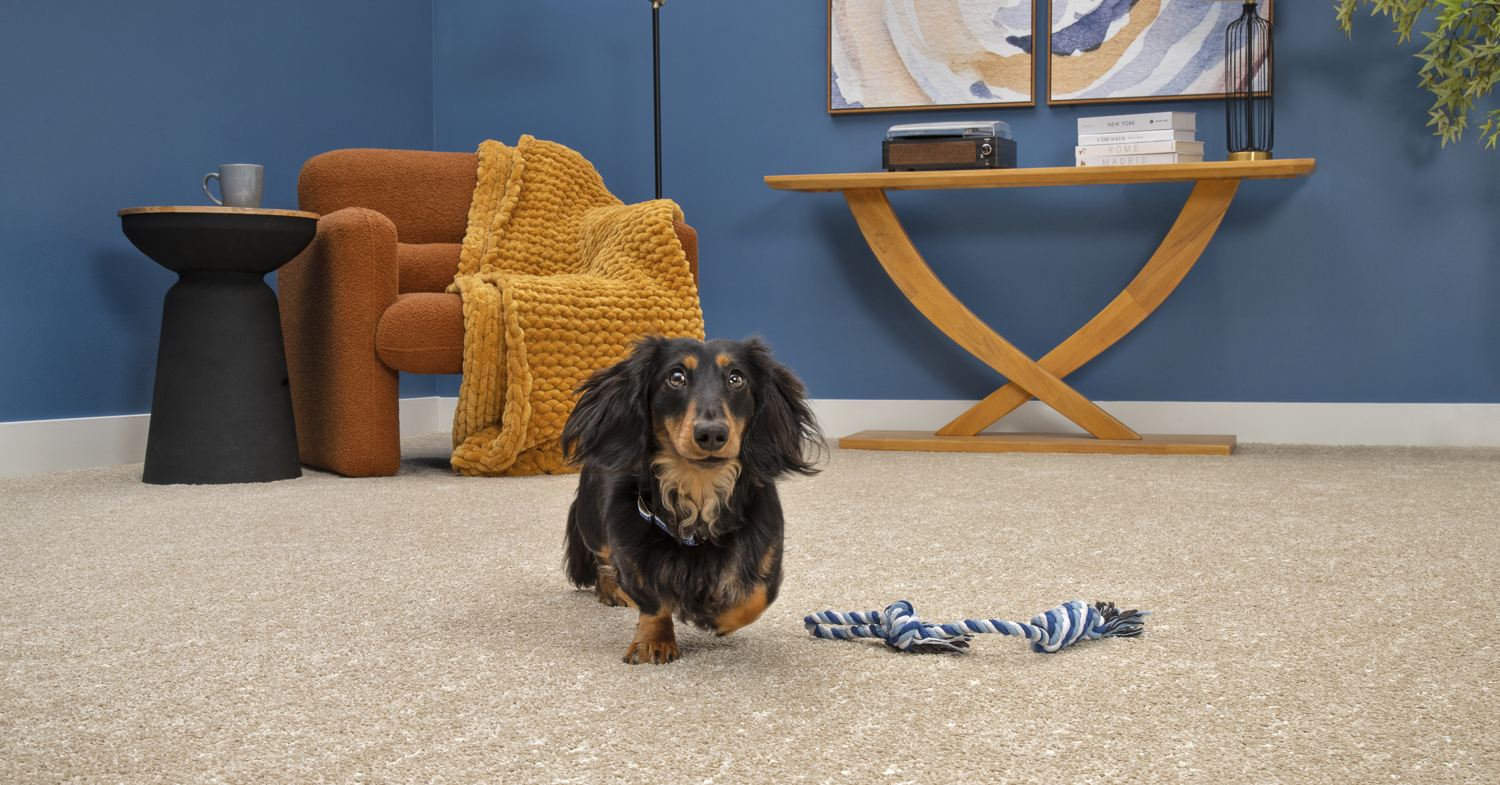
Buy a sample, take it home, and test it. Scratch it with a key. Drip water on it and wait. Set it where your dog sleeps and watch how it looks in morning and evening light.
Then read the warranty. Some exclude pet damage or limit coverage for standing water. Request samples of the best flooring for DFW homes in your budget and compare them side by side before you commit.
Mistake 7: Cutting Corners on Installation
A great product installed badly is still a bad floor. Skipped moisture tests, missing underlayment, and poorly sealed edges give water a path to the subfloor. Even waterproof flooring in Dallas, TX needs tight seams and caulked edges where it meets walls, tubs, or exterior doors. Choose an installer who explains the prep work and can show examples of past jobs.
Mistake 8: Buying on Price Alone
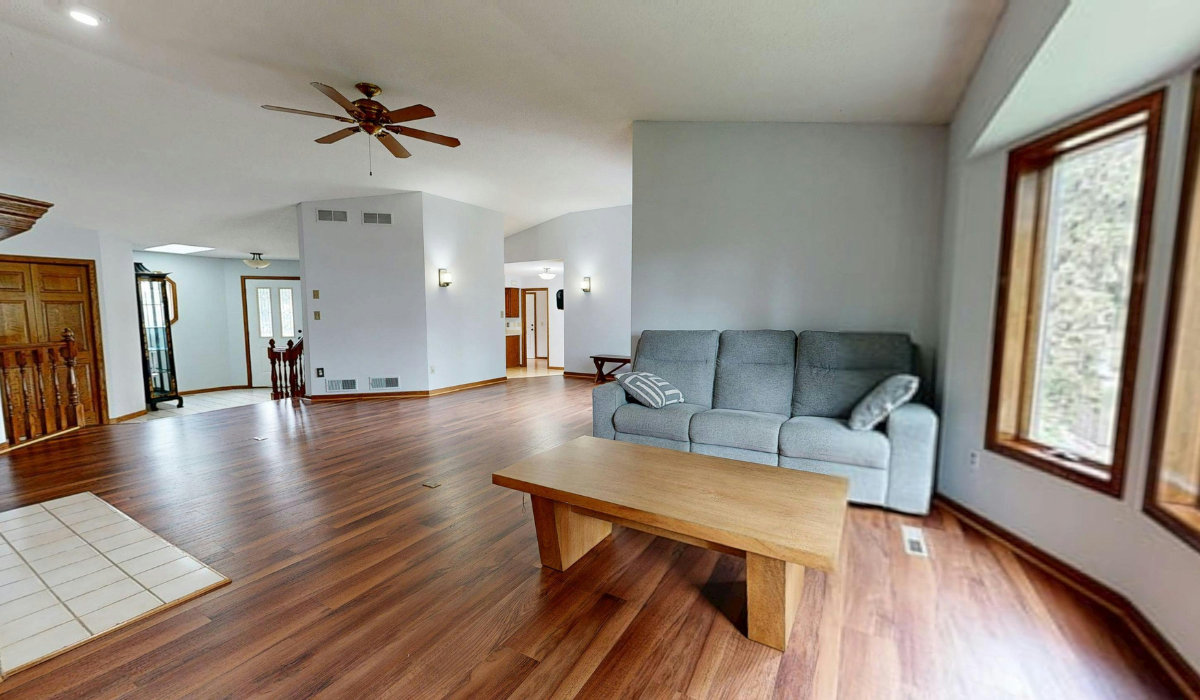
A bargain plank with a 6 mil wear layer can look identical to a premium one on day one. By year three, the difference shows. Material commonly runs about $2 to $7 per square foot for LVP and roughly $4 to $12 for engineered hardwood, before installation. Spending a little more on a thicker wear layer usually costs less than replacing a floor early.
Pet-Friendly Options at a Glance
For pet friendly flooring dfw buyers, four materials come up most often.
- Rigid-core LVP. Waterproof, with a tough wear layer and good traction. Expect 10 to 20 years from a quality product.
- Engineered hardwood. Real wood with better stability than solid boards. Wire-brushed finishes hide scratches, but it is water resistant at best. The National Wood Flooring Association publishes finishing and care guidance for wood floors.
- Porcelain tile. Nearly impervious to water and scratches, though hard and cool underfoot for older dogs.
- Laminate. Scratch resistant, but it can swell if water sits on it.
Daily Habits That Protect Any Floor
- Trim nails every few weeks.
- Wipe up accidents right away and clean with a pH-neutral cleaner.
- Place mats at entries to catch mud and moisture.
- Lift furniture and crates instead of dragging them.
- Sweep or vacuum often, with the beater bar turned off.
Final Thoughts

The right floor for a home with dogs is built for scratches, spills, and slips, and it is installed with Texas soil and humidity in mind. Choose construction over color, test samples at home, and insist on careful installation. Do that, and pet friendly flooring dfw families rely on will look good long after the puppy phase ends.
Ready to compare materials and costs? Explore room-by-room guides, comparisons, and tools at Flooring Guide DFW and choose your next floor with confidence.
Frequently Asked Questions
Q1. What is the most scratch-resistant flooring for dogs?
Rigid-core LVP with a thick wear layer and porcelain tile resist scratches best. Wire-brushed hardwood hides them well.
Q2. Is waterproof flooring enough for a home with pets?
Not on its own. Waterproof floors handle spills, but scratch resistance, traction, and tight seams still matter.
Q3. Is hardwood a bad choice for dog owners?
No. Engineered hardwood in a hard species with a textured, matte finish can work well for many households.
Q4. Does Dallas humidity affect pet-friendly flooring?
Yes. Humidity swings and shifting clay soil can cause cupping, gaps, or cracks, so choose stable materials and test the slab.
Q5. How can I stop my dog from slipping on hard floors?
Choose a matte or textured finish, add non-slip rugs on long stretches, and keep nails trimmed.