Carpet flooring in Dallas is more popular than most homeowners expect. Walk through any neighborhood in Frisco, McKinney, or Southlake and you will find carpet in bedrooms, bonus rooms, and staircases of homes that have hardwood or tile everywhere else. There is a reason for that. Carpet brings warmth, comfort, and sound insulation to spaces where hard floors simply cannot compete. The challenge is not choosing between carpet and hard flooring. The challenge is knowing which carpet actually holds up in North Texas conditions, which fiber performs best for your household, and where in your home carpet genuinely makes sense.
This guide answers all of that.
Why Carpet Still Makes Sense in North Texas Homes
Dallas summers are brutal on bare feet. Tile and hardwood feel cold in winter and can become uncomfortable underfoot in rooms where people sit or play on the floor. For bedrooms especially, carpet creates a completely different sensory experience than any hard surface. It absorbs sound, reduces the echo that open-plan homes tend to amplify, and adds a layer of thermal insulation that matters during those rare but genuinely cold North Texas winters. Carpet upstairs significantly also reduces impact noise traveling to the rooms below.
Where to Use Carpet and Where to Avoid It
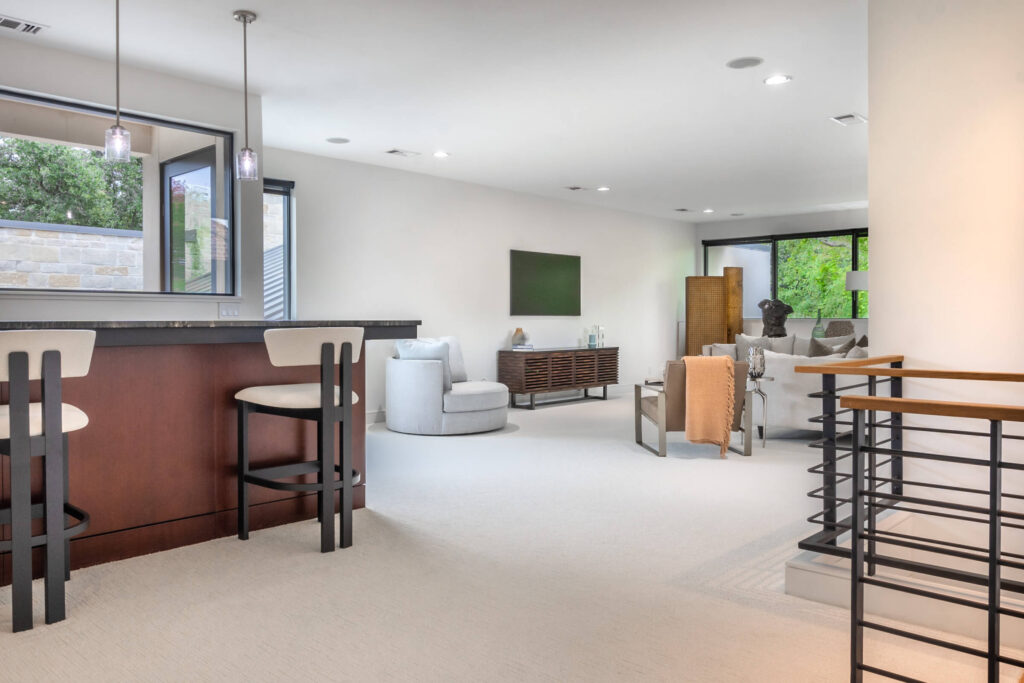
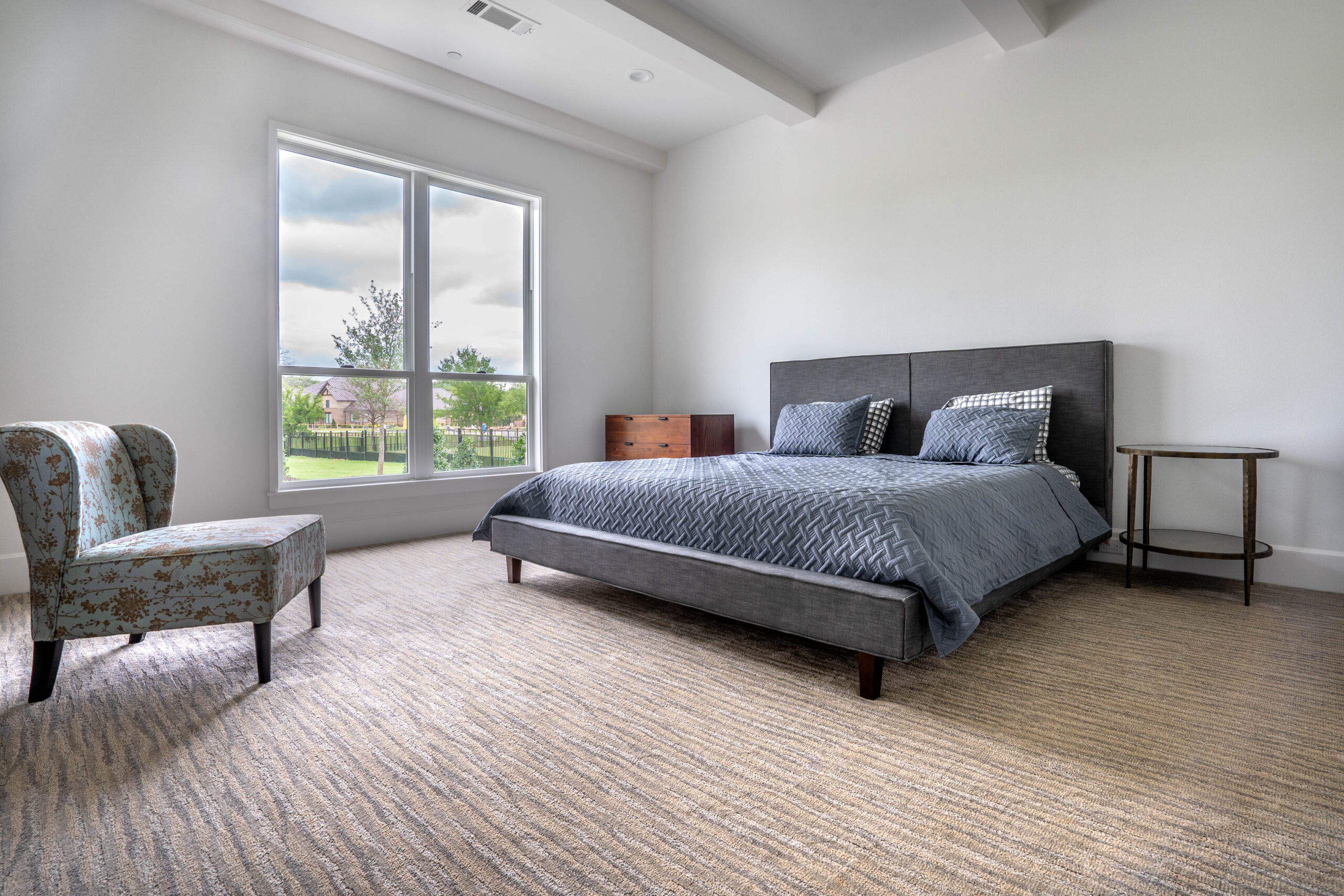
Carpet works well in bedrooms, bonus rooms, media rooms, and staircases. It absorbs sound, feels comfortable underfoot, and in those spaces, it is rarely exposed to the kind of moisture that creates problems.
Kitchens, bathrooms, laundry rooms, and entryways are a different matter. These spaces see water, dirt, and heavy foot traffic that carpet does not handle gracefully over time. Even a high quality carpet installed in a wet area will develop odor and matting within a few years of regular use.

The living room sits in the middle. Some Dallas homeowners prefer carpet in the living room for comfort and warmth. Others choose hardwood flooring in Dallas and use area rugs to soften the space. Neither is wrong. The right answer depends on how the room is actually used, how many people and pets live in the home, and what the household’s tolerance for maintenance looks like.
For the best living room flooring result in a DFW home, most local experts lean toward hard surfaces with quality area rugs in living spaces that see heavy traffic, reserving wall to wall carpet for rooms where comfort and quiet are the priority.
Understanding Carpet Fiber Types
This is where most buyers lose confidence. Carpet is sold in a range of fiber types, and the differences matter considerably in a Dallas home.
Nylon is the most durable synthetic fiber available in residential carpet. It resists crushing, holds its appearance over years of use, and handles staining better than most alternatives when properly treated. For households with children or pets, nylon is typically the most cost effective long term choice because it does not need replacing nearly as often as lower grade options.
Polyester offers a softer feel and a wider range of color options, and it is naturally stain resistant because the fiber itself does not absorb liquid easily. The trade off is that polyester carpet tends to mat down in high traffic areas faster than nylon. In a bedroom that sees light foot traffic, that difference may not matter much over a typical ownership period.
Triexta is a newer fiber that combines softness with durability and offers strong inherent stain resistance without requiring topical treatments. It has grown in popularity for family homes because it handles pet accidents and spills better than most other options without sacrificing the soft feel that makes carpet appealing in the first place.
Wool is the premium natural option. It is soft, durable, and naturally flame resistant. It is also the most expensive category and requires more care than synthetic fibers. Wool carpet in a Dallas home makes sense in formal spaces with light traffic where the look and feel justify the cost.
Pile Height and Density
Two numbers matter more than most carpet marketing suggests: pile height and face weight.
Pile height refers to how tall the carpet fibers stand. Low pile carpet is easier to clean and holds up better in high traffic areas. Plush or high pile carpet feels softer underfoot but shows traffic patterns more quickly and is harder to vacuum thoroughly.
Face weight measures how much fiber is packed into a square yard of carpet. A higher face weight generally indicates a denser, more durable product. For family rooms and hallways, a face weight of 40 ounces or higher is worth the investment. For a guest bedroom that sees minimal use, a lighter product may perform adequately for years.
Carpet and Indoor Air Quality in North Texas
This is a topic worth understanding before purchasing. The EPA notes that carpet can trap dust, pollen, and other particles that affect indoor air quality, which is relevant in a region like DFW where spring allergy seasons are significant. Proper and regular vacuuming removes the majority of these particles before they accumulate. According to the Carpet and Rug Institute, vacuuming high traffic areas multiple times per week and scheduling professional hot water extraction cleaning every 12 to 18 months maintains both appearance and indoor air quality over the life of the carpet.
New carpet also off-gasses volatile organic compounds for a period after installation. Ventilating the space well for the first 48 to 72 hours after installation reduces this significantly.
Carpet vs. Dark Hardwood Floor Living Room Decisions
This comparison comes up often in DFW renovation conversations. Homeowners who love the look of a dark hardwood floor living room sometimes wonder whether carpet in adjacent spaces will feel mismatched or dated.
The answer depends on the transition. Carpet in bedrooms connected to a dark hardwood floor living room is a combination that works well in most homes. The carpet provides a distinct sensory shift when you enter a private space, which is exactly what a bedroom should feel like compared to a shared living area. The key is choosing a carpet color and texture that complements rather than competes with the hardwood tone in the adjacent room.
What Does Carpet Cost in Dallas?
Pricing varies considerably based on fiber type, face weight, and pile style. Here are realistic installed ranges for the Dallas Fort Worth market:
- Basic polyester carpet (installed): $3 to $5 per sq ft
- Mid-range nylon carpet (installed): $5 to $8 per sq ft
- Premium nylon or triexta (installed): $8 to $12 per sq ft
- Wool carpet (installed): $12 to $20 per sq ft
Padding adds to the cost but meaningfully extends the life of the carpet above it. Do not cut the padding budget when purchasing carpet. A low density pad under a quality carpet shortens the carpet’s useful life considerably.
Final Thoughts
Choosing carpet flooring in Dallas is not just about picking a color from a sample board. Fiber type, pile density, room placement, and padding all determine whether a carpet still looks and performs well five years after installation. Getting those decisions right upfront saves considerably more than the difference in purchase price between a mediocre product and a good one.
Flooring Guide DFW helps Dallas Fort Worth homeowners compare flooring materials across every room in the home, backed by over 40 years of local DFW flooring expertise. Explore our room by room guides, flooring comparisons, and cost calculator before making your next flooring decision.
Frequently Asked Questions
Q1. Is carpet a good choice for Dallas homes with allergies?
Carpet traps allergens but regular vacuuming and professional cleaning remove them effectively. Low pile carpet with frequent maintenance performs better for allergy prone households than high pile alternatives.
Q2. How long does carpet last in a North Texas home?
Quality nylon or triexta carpet lasts 10 to 15 years with proper maintenance. Polyester typically lasts 7 to 10 years in moderate traffic areas. Padding quality and cleaning frequency affect lifespan significantly.
Q3. Can carpet be installed over a concrete slab in DFW?
Yes. Most carpet installations in newer DFW homes go directly over concrete slab with a quality pad underneath. Moisture testing of the slab is recommended before installation to prevent mold issues beneath the pad.
Q4. What carpet fiber is best for homes with pets in Dallas?
Triexta and solution dyed nylon are the strongest performers in homes with pets. Both resist staining and odor absorption better than standard polyester, and neither requires topical stain treatments that wear off over time.
Q5. Should I replace carpet or switch to hardwood flooring in Dallas?
It depends on the room. Bedrooms and bonus rooms typically benefit from carpet staying. Living rooms and dining rooms often see better long term value and resale appeal from hardwood or LVP. A room by room assessment gives the clearest answer.