
If you own a home in the Dallas–Fort Worth area, you already understand that North Texas weather can be tough on flooring. From scorching summer heat to sudden cold snaps, shifting humidity levels, and slab foundations common throughout DFW, the wrong flooring material can warp, buckle, crack, or wear out much faster than expected.
Choosing the best flooring for DFW homes is about more than design—it’s about selecting materials that offer durability, moisture resistance, and long-term performance in the unique North Texas climate. Fortunately, several flooring options consistently perform well in Dallas–Fort Worth homes and can withstand the region’s demanding conditions.
Why Flooring Choice Matters in DFW
In many DFW neighborhoods, homes are built on concrete slab foundations. These slabs can transfer moisture upward into flooring materials over time. Combined with frequent temperature swings and heavy air-conditioning use, this creates constant expansion and contraction beneath your floors. That’s why North Texas flooring must be able to resist moisture, handle heat-related movement, and remain stable without warping or cracking.
- Engineered Hardwood: Real Wood, Made for Texas
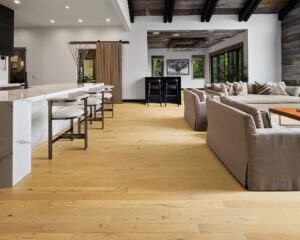
For homeowners who prefer the authentic beauty of wood, engineered hardwood is the best alternative to solid hardwood in North Texas. Unlike traditional hardwood, engineered wood is built in layers that improve dimensional stability and reduce expansion and contraction caused by humidity changes. It also performs better over concrete slabs, which are common in DFW homes. While it is not ideal for moisture-prone areas, engineered hardwood works beautifully in living rooms, dining spaces, and bedrooms when installed correctly. It offers the timeless elegance of real wood while better adapting to the demands of the Dallas–Fort Worth climate.
- Solid Hardwood
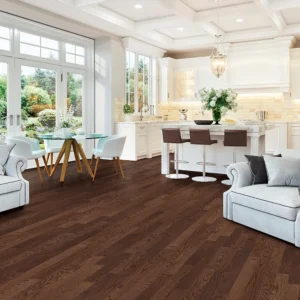 Hardwood floors are an excellent choice for North Texas homeowners. They add strong resale value, offer long-lasting durability, and work especially well in main living areas. While hardwood floor maintenance can seem intimidating, this guide is designed to help homeowners like you and me care for their floors with confidence.Harder woods like white oak or hickory tend to resist dents and wear better than softer options. Finish also plays a role. Wire-brushed or lightly textured finishes are popular in Dallas because they help hide scratches, dust, and everyday wear better than smooth, high-gloss floors.
- Luxury Vinyl Plank (LVP): The Most Practical Choice
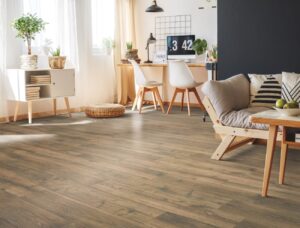
Luxury vinyl plank, often called LVP, has quickly become one of the most popular flooring choices across Dallas–Fort Worth. Its waterproof construction, strong resistance to humidity, and ability to handle spills make it one of the most practical solutions for busy households. Rigid-core luxury vinyl is particularly recommended for North Texas homes because it remains stable even when temperatures fluctuate. In addition to its performance benefits, LVP offers realistic wood-look finishes and greater comfort underfoot than tile, making it an excellent whole-home flooring option for families, pet owners, and active households throughout DFW.
- Porcelain Tile: Built for Texas Weather
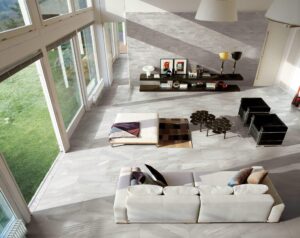 Porcelain tile has long been a trusted flooring choice in North Texas homes because it is highly resistant to moisture and exceptionally durable. It performs especially well over slab foundations and stays cool during hot Texas summers, making it ideal for kitchens, bathrooms, and high-traffic living spaces. Modern wood-look porcelain tile designs also provide the appearance of hardwood without the maintenance concerns. For DFW homeowners focused on long-term value, cooling benefits, and resilience, porcelain tile remains one of the strongest options available.
- Waterproof Laminate Flooring: Budget-Friendly (With Limits)
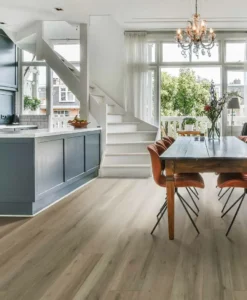
Laminate flooring can also be a smart choice for North Texas homeowners, especially newer water-resistant varieties. It offers affordability, stylish finishes, and scratch resistance, making it appealing for budget-conscious remodeling projects. However, traditional laminate is more vulnerable to moisture than luxury vinyl, so it is better suited for lower-moisture spaces rather than kitchens, bathrooms, or areas with frequent spills. For homeowners in DFW seeking cost-effective flooring with modern style, upgraded laminate products can still provide strong value.
Don’t Skip This: Underlayment & Installation
Proper underlayment and professional installation are just as important as the flooring material itself. In DFW homes, using a moisture barrier over concrete slabs is essential to prevent vapor transmission from damaging the floor. Materials should also be allowed to acclimate before installation, expansion gaps should be left for temperature-related movement, and subfloors must be level and dry. Together, these details are what separate the best flooring for North Texas heat and humidity from installations that fail within a few years.
2026 Flooring Ranking in DFW:
| Rank | Flooring Type | Estimated Resale ROI | Best For |
| #1 | Engineered Hardwood | 100% – 115% | Modern Luxury: Homeowners wanting wide-plank wood on a concrete slab. |
| #2 | Solid Hardwood | 110% – 130%* | Estate Value: High-end homes and those prioritizing long-term equity. |
| #3 | Luxury Vinyl (LVP) | 70% – 85% | Active Life: Households with big dogs, kids, and high-traffic mudrooms.
100% Waterproof |
| #4 | Porcelain Tile | 75% – 80% | Wet Zones: High-use kitchens, bathrooms, and “pool-access” entries.
100% Waterproof |
| #5 | Waterproof Laminate | 50% – 70% | High Performance: Busy families on a budget who need “bulletproof” floors.
100% Waterproof |
Final Thoughts: What’s Best for Your DFW Home?
For most DFW homeowners, luxury vinyl plank stands out as the best overall flooring choice because of its durability, moisture resistance, and versatility. Porcelain tile remains the most durable option for long-term resilience, while engineered hardwood offers the best visual appeal for those wanting authentic wood aesthetics. Water-resistant laminate continues to be a strong budget-friendly solution when used in appropriate areas.
Ultimately, the best flooring for North Texas homes depends on your lifestyle, your home’s layout, and your priorities. By selecting flooring designed to handle North Texas heat, humidity, and slab foundation challenges, you can protect your investment and enjoy lasting performance for years to come.
One of the biggest hidden causes of flooring failure in North Texas slab homes is moisture rising through concrete. Even when the surface appears dry, vapor transmission can slowly damage flooring over time. That’s why every DFW homeowner should ensure their installer tests for slab moisture and uses a proper vapor barrier or moisture-rated underlayment—especially when installing LVP, laminate, or engineered hardwood in the North Texas climate.
Frequently Asked Questions
1. What is the best flooring for DFW homes?
Luxury Vinyl Plank, engineered hardwood, and porcelain tile are among the best flooring options because they handle North Texas heat and humidity well.
2. Does North Texas heat and humidity affect flooring?
Yes. Heat, humidity, and concrete slab foundations can affect some flooring materials, making climate-friendly options a better long-term choice.
3. Is engineered hardwood better than solid hardwood in DFW?
For most DFW homes with concrete slab foundations, engineered hardwood is usually the safer choice. Its layered construction helps it handle changes in moisture and temperature better than solid wood. Solid hardwood can still work well in pier-and-beam homes, upstairs spaces, and other areas where conditions are right. Before deciding, your flooring company/ expert should check the foundation, test for moisture, and confirm which installation method is best for your home.
4. What flooring works best over concrete slab foundations?
Luxury vinyl plank (LVP), porcelain tile, and engineered hardwood are all popular flooring options for homes with concrete slabs. Solid hardwood can also be used, but it usually requires extra planning. Before deciding on a flooring material, it’s important to test for moisture, prepare the concrete properly, follow the manufacturer’s installation guidelines, and choose the right installation method.
5. Why is moisture protection important for new flooring?
A proper moisture barrier helps protect your flooring from moisture beneath the slab, improving durability and extending its lifespan.