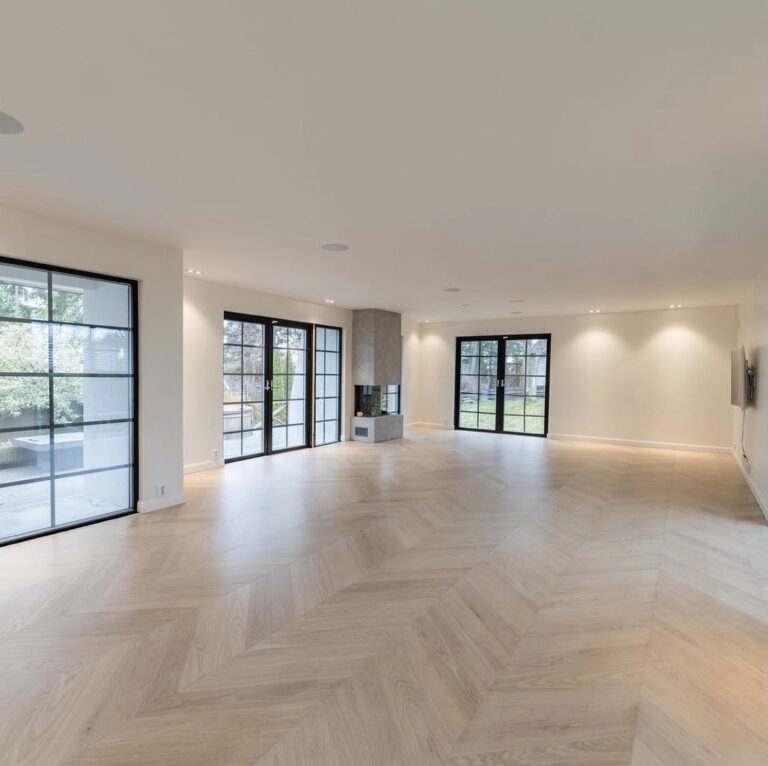
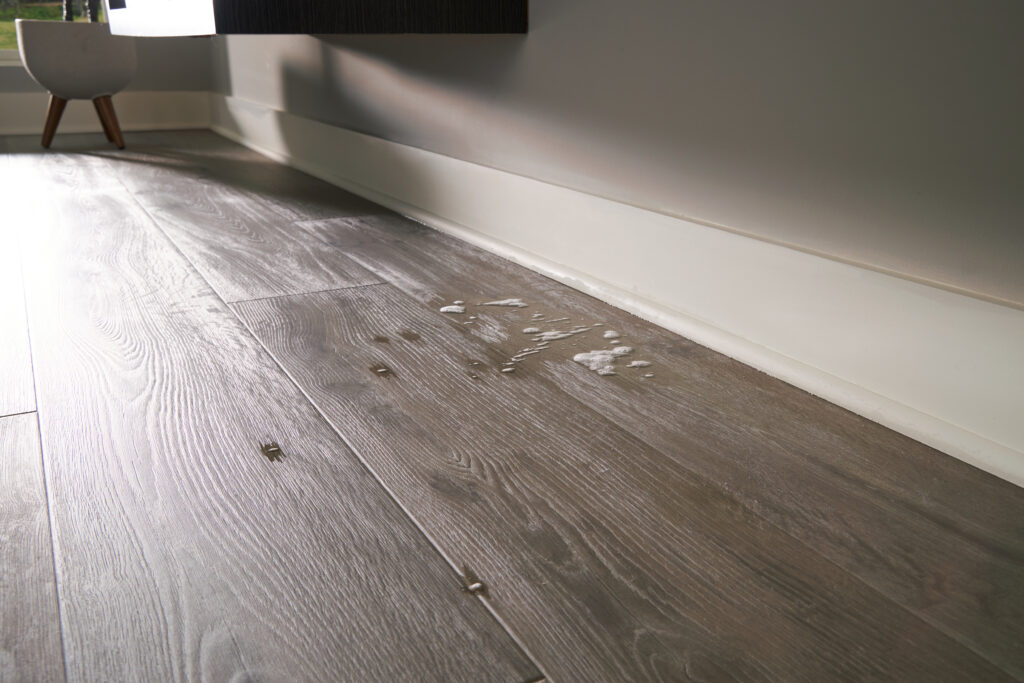
A waterproof floor is not a maintenance free floor. That distinction matters more than most homeowners realize at the time of purchase.
The word waterproof carries a lot of weight in a flooring showroom. It suggests protection, durability, and peace of mind. All of those things can be true. A quality waterproof floor installed correctly in the right environment does offer real advantages over materials that are more vulnerable to moisture. But waterproof refers to what the material can withstand, not how little attention it needs over time.
Knowing what to do and what to avoid is the difference between a floor that looks good for years and one that starts showing problems well before its time.
What Waterproof Actually Means
Waterproof flooring options cover a range of products. Luxury vinyl plank (LVP), ceramic and porcelain tile, and some engineered products with waterproof cores are the most common categories. Each handles moisture differently, and each has its own set of care requirements.
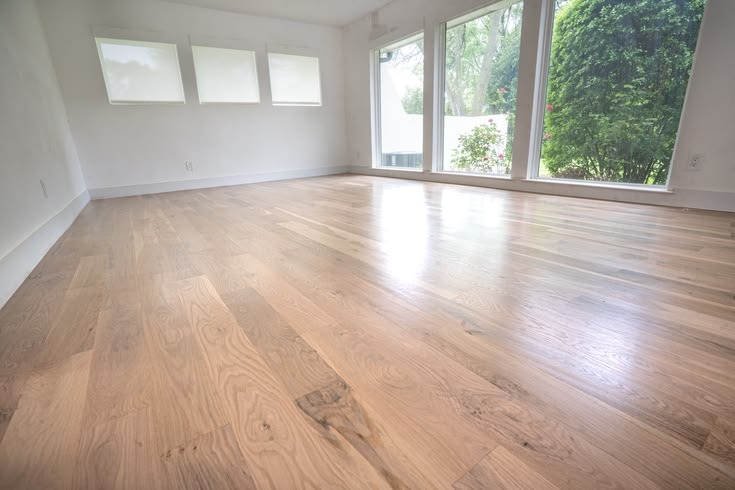
LVP is waterproof through its full thickness. Water cannot penetrate the core of a quality SPC or WPC product. Tile is naturally resistant to water absorption, though the grout lines between tiles are a different matter. Engineered hardwood flooring DFW homeowners often consider sits in a different category. Some engineered products are marketed as water resistant rather than fully waterproof, and the distinction matters when it comes to how you clean and maintain the floor.
Before anything else, know exactly what product you have and read the manufacturer’s care guidelines for that specific material. General advice is useful, but the manufacturer’s guidance for your floor always takes priority.
What to Do
Keep the Floor Clean and Dry After Spills
Waterproof flooring in Dallas TX homes handles moisture well, but water that sits on the surface for extended periods can still cause problems. With tile, standing water can work its way into grout lines and eventually affect the substrate beneath. With LVP, water that gets underneath the floor through edges, transitions, or seams can create conditions for mold and odor even when the floor itself remains undamaged.
Wipe up spills promptly. This does not require an urgent response to every small splash, but water left sitting for hours creates more risk than water cleaned up within a few minutes.
Use the Right Cleaning Products
Cleaning product selection has a bigger impact on floor longevity than most people expect. The wrong cleaner can dull the finish, break down protective coatings, and make the surface more vulnerable to future damage.
For LVP, a pH neutral cleaner diluted in water is the standard recommendation. Avoid anything with bleach, ammonia, or abrasive compounds. Oil based soaps leave a residue that dulls the surface over time. Steam mops apply heat and moisture simultaneously and are not recommended for most waterproof flooring options, regardless of what the marketing suggests.
For tile, a mild detergent works well on the tile surface itself, but grout requires more attention. Grout is porous and benefits from a sealer applied periodically to slow down staining and moisture absorption.
Sweep or Vacuum Regularly
Dirt and grit are abrasive. On any hard floor, particles tracked in from outside act like sandpaper underfoot, gradually dulling the surface finish. Regular sweeping or vacuuming removes that material before it does damage.
Use a soft bristle broom or a vacuum setting appropriate for hard floors. Beater bar attachments on vacuums can scratch certain surfaces and should be turned off when cleaning LVP or engineered hardwood.
Protect High Traffic Areas and Furniture Contact Points
Entry points, hallways, and areas in front of kitchen sinks see more wear than the rest of the floor. Area rugs in those locations reduce abrasion and help keep the floor looking consistent over time.
Furniture legs are another source of damage that often goes unnoticed until the marks are already there. Felt pads under chair legs, table legs, and other furniture contact points prevent scratching and reduce the impact of daily movement.
Heavy furniture should be lifted rather than dragged during rearranging. Even a floor rated as highly durable can show drag marks from repeated movement of heavy pieces.
What to Avoid
Avoid Excessive Water During Cleaning
The best flooring for DFW homes handles moisture better than traditional hardwood, but flooding the floor with water during routine cleaning is still a mistake. Wet mopping with a soaking mop pushes water into seams, transitions, and edges where it can reach the subfloor over time.
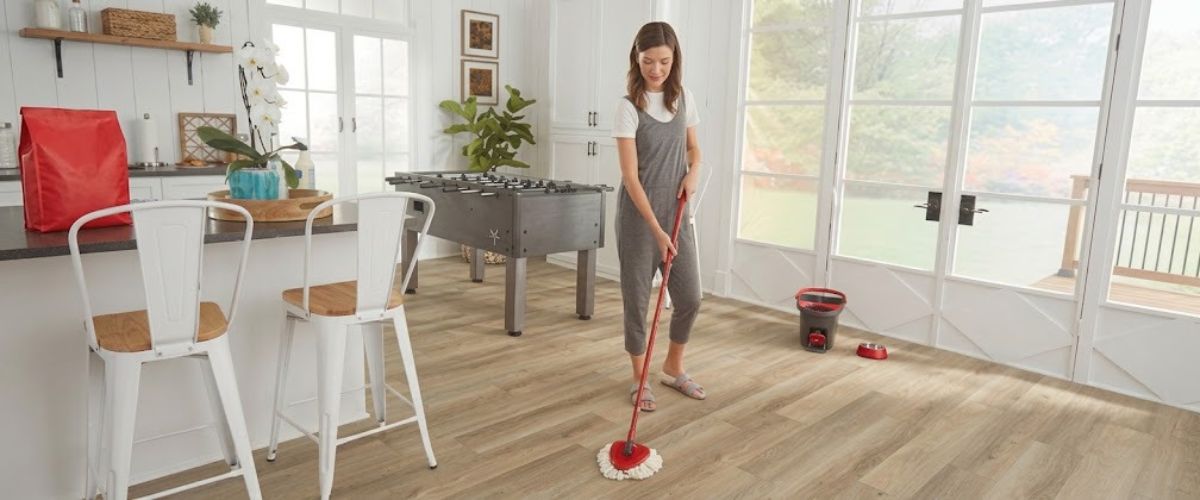
A damp mop is the appropriate tool. Wring out the mop thoroughly before it touches the floor. The surface should be slightly damp after mopping, not wet.
Avoid Harsh Chemicals and Abrasive Tools
Bleach based cleaners, vinegar, and high pH products can break down the protective wear layer on LVP over time. They may clean effectively in the short term while reducing the floor’s long term resistance to staining and wear.
Steel wool, abrasive scrub pads, and stiff bristle brushes scratch hard floor surfaces. If a stain does not respond to a standard cleaner applied with a soft cloth, consult the manufacturer’s recommendations rather than increasing the abrasiveness of your approach.
Avoid Ignoring the Edges and Transitions
The field of the floor, meaning the broad open area away from walls and transitions, is usually the last place a waterproof floor develops a problem. Edges, transitions between rooms, and areas around plumbing fixtures are where water is most likely to find a route beneath the surface.
Check caulk and transition strips periodically. Gaps that appear between the floor and the baseboard, or where the floor meets a tile threshold in a bathroom, deserve attention early. Sealing those gaps before water finds them is significantly easier than addressing damage after the fact.
Waterproof flooring in Dallas TX conditions benefits from this kind of periodic inspection given the temperature shifts the area experiences between seasons. Expansion and contraction can widen gaps over time that were not present when the floor was first installed.
Avoid Assuming All Waterproof Products Are the Same
Waterproof flooring options vary significantly in construction quality, wear layer thickness, and long term performance. A 6 mil wear layer and a 20 mil wear layer are both described as LVP, but their resistance to scratching, staining, and surface wear are not comparable.
Engineered hardwood flooring DFW homeowners install varies in the same way. Two products in the same category can have very different care requirements and performance profiles depending on the brand, construction, and finish. Reading the product documentation before purchasing, rather than relying on category level descriptions, leads to better decisions and fewer surprises after installation.
Final Thoughts
Waterproof flooring earns its reputation when it is chosen correctly, installed properly, and maintained with a few consistent habits. None of those habits are complicated. They do not require special equipment or significant time. They require knowing what your floor actually needs and following through regularly rather than waiting for a visible problem to appear.
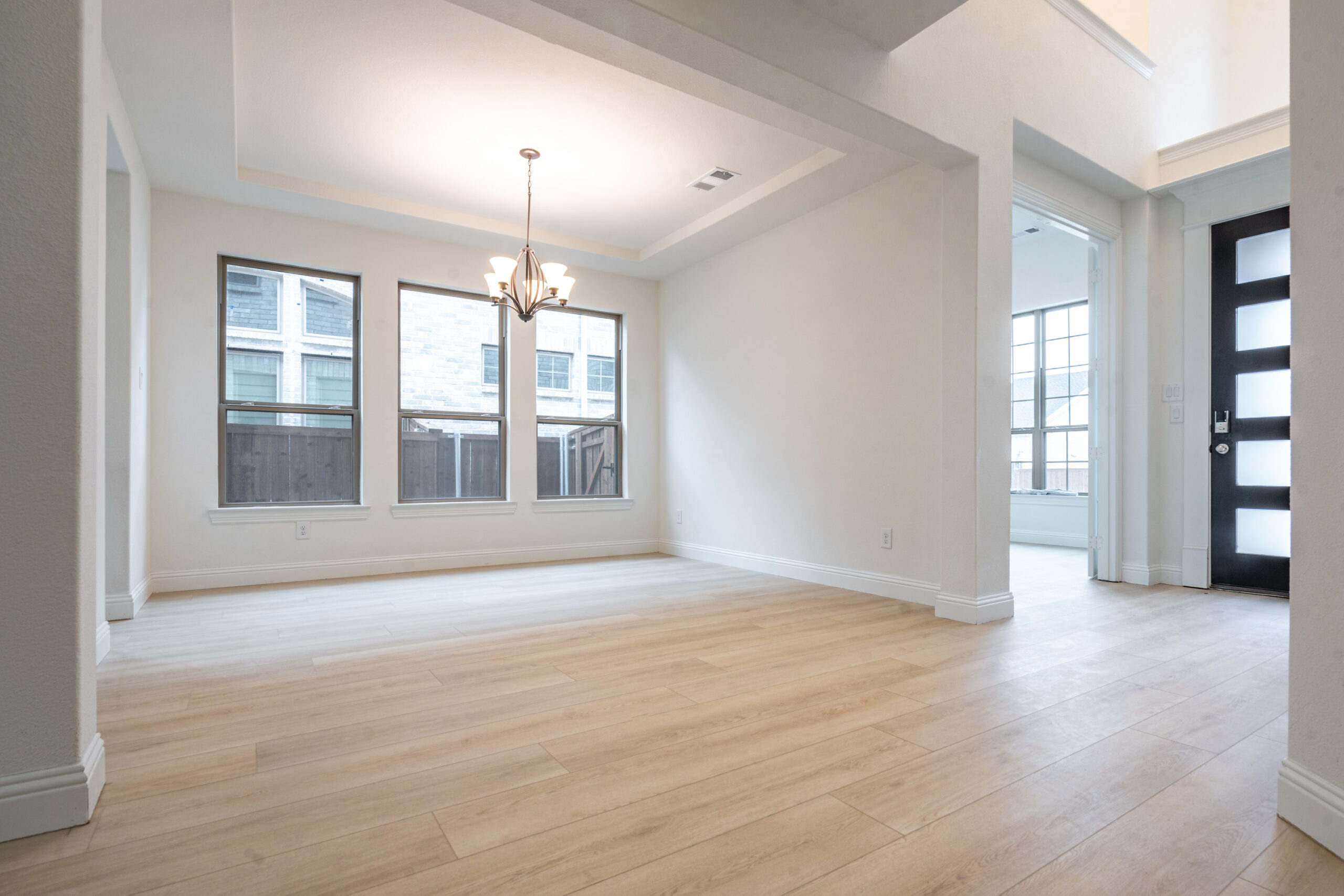
The best flooring for DFW homes combines the right material for the room and the local climate with care practices that protect the investment over time. A waterproof product is a strong starting point. How that floor is treated after installation determines how long it continues to look and perform the way it should.
Flooring Guide DFW helps Dallas Fort Worth homeowners compare flooring materials, understand care requirements, and make decisions that hold up in the North Texas climate. Explore our room by room guides and flooring comparison resources before making your next flooring decision.
Frequently Asked Questions
Q1. Can I use a steam mop on waterproof flooring?
Most manufacturers advise against steam mops. The heat and moisture combination can damage the wear layer and affect adhesion, even on products marketed as waterproof.
Q2. How often should waterproof flooring be professionally cleaned?
For most homes, routine sweeping and damp mopping is sufficient. Professional cleaning is not typically required unless the floor has accumulated buildup that standard cleaning does not remove.
Q3. Does waterproof flooring need to be sealed?
LVP does not require sealing. Tile grout does benefit from periodic sealing to slow moisture absorption and staining. Always check the manufacturer’s guidance for your specific product.
Q4. What causes waterproof flooring to develop odors?
Odors typically come from moisture that has reached beneath the floor through edges, seams, or transitions rather than through the flooring material itself. Addressing the source of water infiltration is the correct approach rather than treating the surface.
Q5. How long does waterproof flooring last in a Dallas home?
With proper care, quality LVP and porcelain tile can last 20 years or more. Longevity depends on the product quality, installation, foot traffic, and how consistently the floor is maintained.