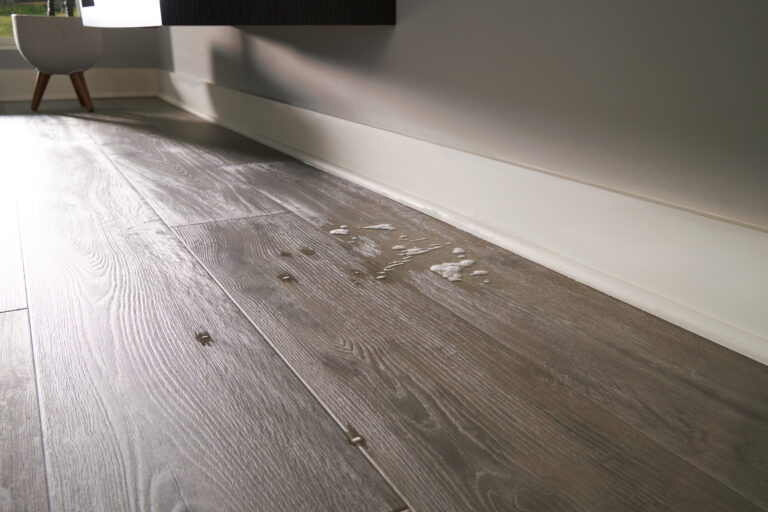
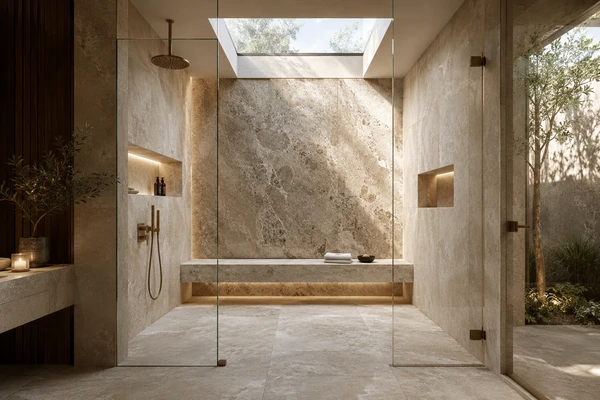
A bathroom floor takes a lot of abuse. Water gets tracked out of the shower, towels drip onto the floor, and small leaks can go unnoticed for days. Choosing the best flooring for bathrooms can reduce the risk of moisture-related problems, but even a good floor needs proper care.
This matters in Dallas–Fort Worth homes, where changes in humidity and temperature can affect flooring materials over time. A bathroom does not need to look visibly damaged before moisture starts causing trouble underneath. Small cracks, loose edges, or water that repeatedly sits in the same spot can eventually turn into a much bigger repair.
The good news is that bathroom flooring care is fairly simple. A few habits can go a long way toward keeping the floor dry, clean, and in good condition.
1. Don’t Let Water Sit on the Floor
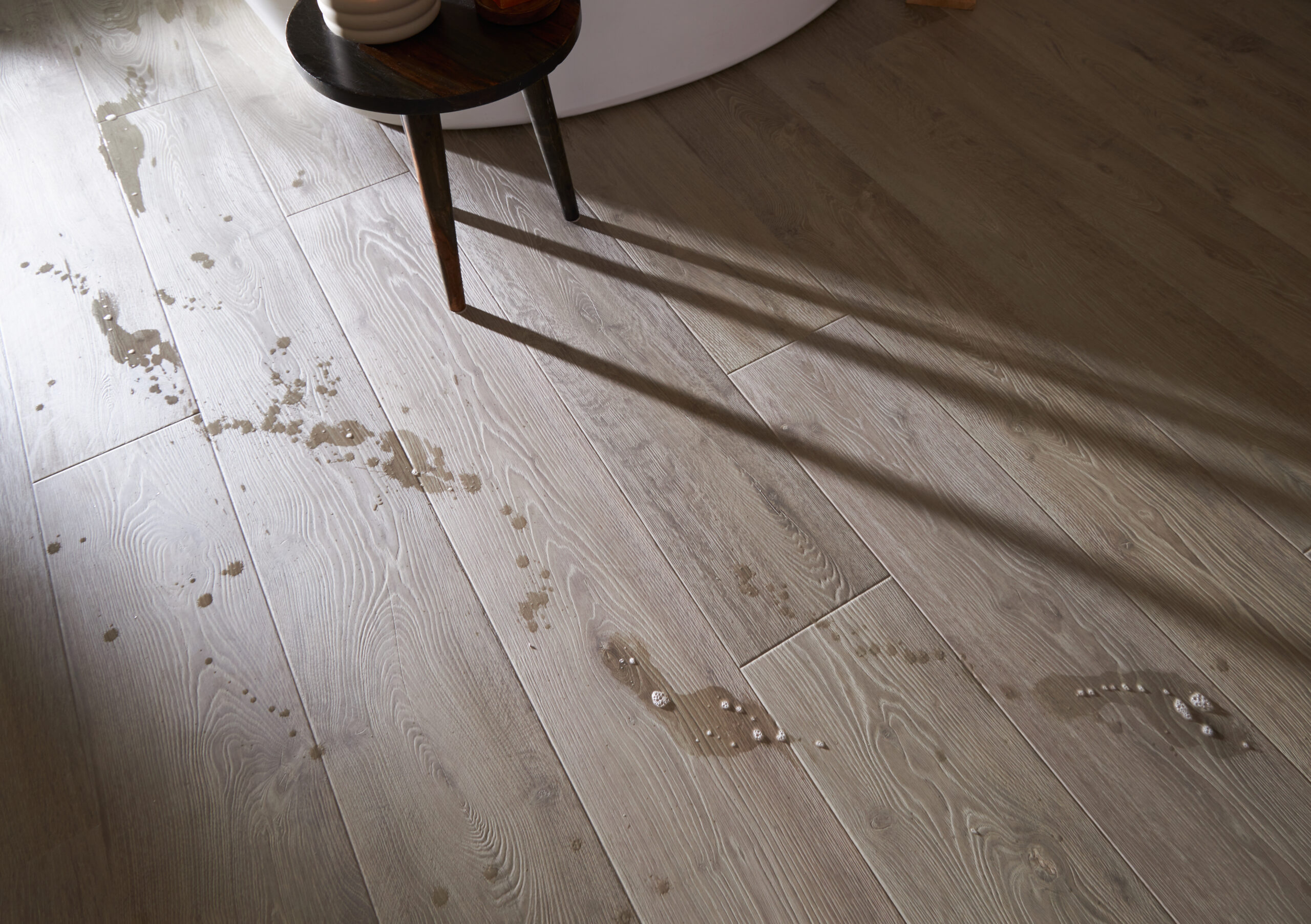
A little water around the shower is normal. Leaving it there for hours is not.
After a shower, check the area around the tub or shower entrance. If water has spread across the floor, wipe it up rather than waiting for it to dry on its own. This becomes even more important around flooring joints, transitions, and the edges of the room.
You do not need to mop the entire bathroom every time someone takes a shower. A quick wipe of the wet areas is usually enough.
Bath mats can help here too. Place one where people step out of the shower, but do not leave a soaked mat sitting on the floor all day. Lift it occasionally and let both the mat and the floor underneath dry.
2. Pay Attention to Grout and Caulk
The floor itself may not be where a water problem begins.
Grout lines around a tiled shower or bathroom floor can crack as the room ages. Caulk around a tub, shower base, or vanity can also shrink or pull away from the surface. Once there is a gap, water has an easier route into places it should not reach.
Take a quick look at these areas every few weeks. You do not need special equipment. If you notice cracked grout, missing caulk, darkened areas, or a joint that has separated, deal with it before the problem spreads.
This is one reason the overall installation matters when selecting flooring for bathrooms. The flooring material, subfloor, transitions, grout, and surrounding waterproofing all have to work together.
3. Give Bathroom Moisture Somewhere to Go
Water on the floor gets most of the attention, but steam can be just as troublesome over time.
A hot shower fills the room with moisture. If that moisture has nowhere to go, it can settle on flooring, walls, trim, cabinets, and other surfaces.
Use the bathroom exhaust fan while showering and leave it running for a while afterward. If the room has a window that can safely be opened, that can help improve airflow too.
This is particularly useful in North Texas. Dallas–Fort Worth summers can bring plenty of heat and humidity, so good bathroom ventilation is a small part of home maintenance that should not be overlooked.
4. Don’t Overdo the Water When Cleaning
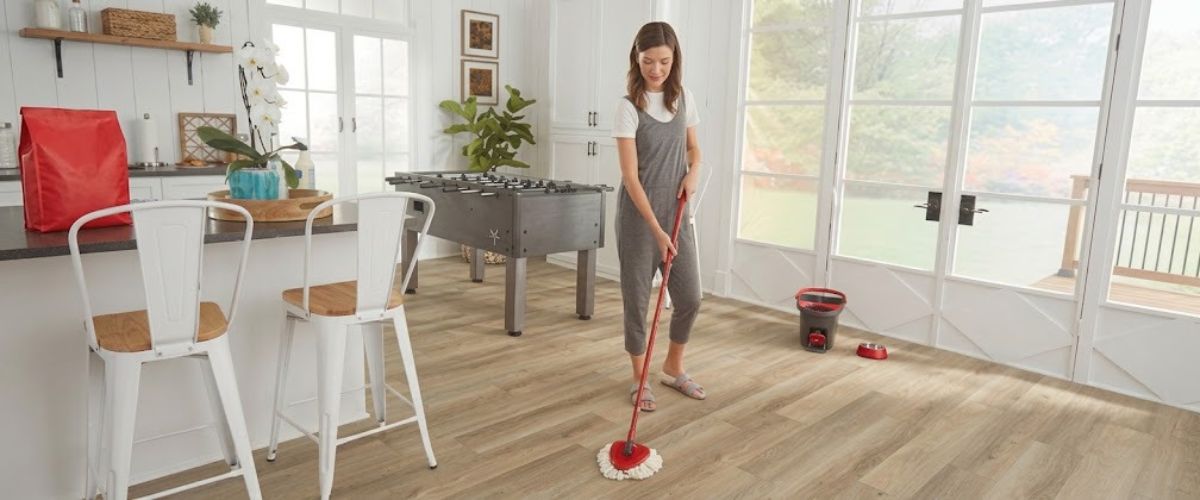
A bathroom floor needs to be cleaned, but soaking it is not the goal.
Use a damp mop rather than pushing large amounts of water across the surface. Follow the cleaning instructions provided by the flooring manufacturer, especially if you have luxury vinyl, natural stone, hardwood, or another specialty material.
Harsh chemicals and abrasive scrubbers can also cause problems. A cleaner that works perfectly on one floor may dull or damage another.
Homeowners researching waterproof flooring for bathrooms sometimes assume that a waterproof product can handle unlimited water and aggressive cleaning. It cannot. Waterproof flooring can offer excellent protection, but the way it is cleaned and maintained still matters.
5. Check Around the Toilet and Vanity
Some of the most expensive bathroom flooring problems start with a leak that nobody notices.
Check around the base of the toilet from time to time. Look underneath the vanity too, especially around supply lines and plumbing connections. You are looking for anything unusual: a damp spot, swelling, discoloration, a musty smell, or a floor that feels different under your feet.
Do not ignore a small change because the floor still looks mostly normal.
A slow plumbing leak can continue for weeks before obvious damage appears. Finding the source early is much easier than replacing damaged flooring and dealing with a wet subfloor later.
6. Choose a Floor That Makes Sense for the Room
There is no single material that works perfectly for every bathroom.
Porcelain tile remains a practical choice for homeowners who want a durable surface that handles regular moisture well. Luxury vinyl is another popular option because it is comfortable underfoot, easy to maintain, and available in styles that can resemble wood or stone.
The best flooring for bathrooms depends on more than the look of a sample. Think about how much water the room sees, who uses it, how often you want to clean it, and what is underneath the existing floor.
A guest bathroom that sees limited use has different demands from a busy family bathroom used several times a day.
7. Look at What Is Underneath the Flooring
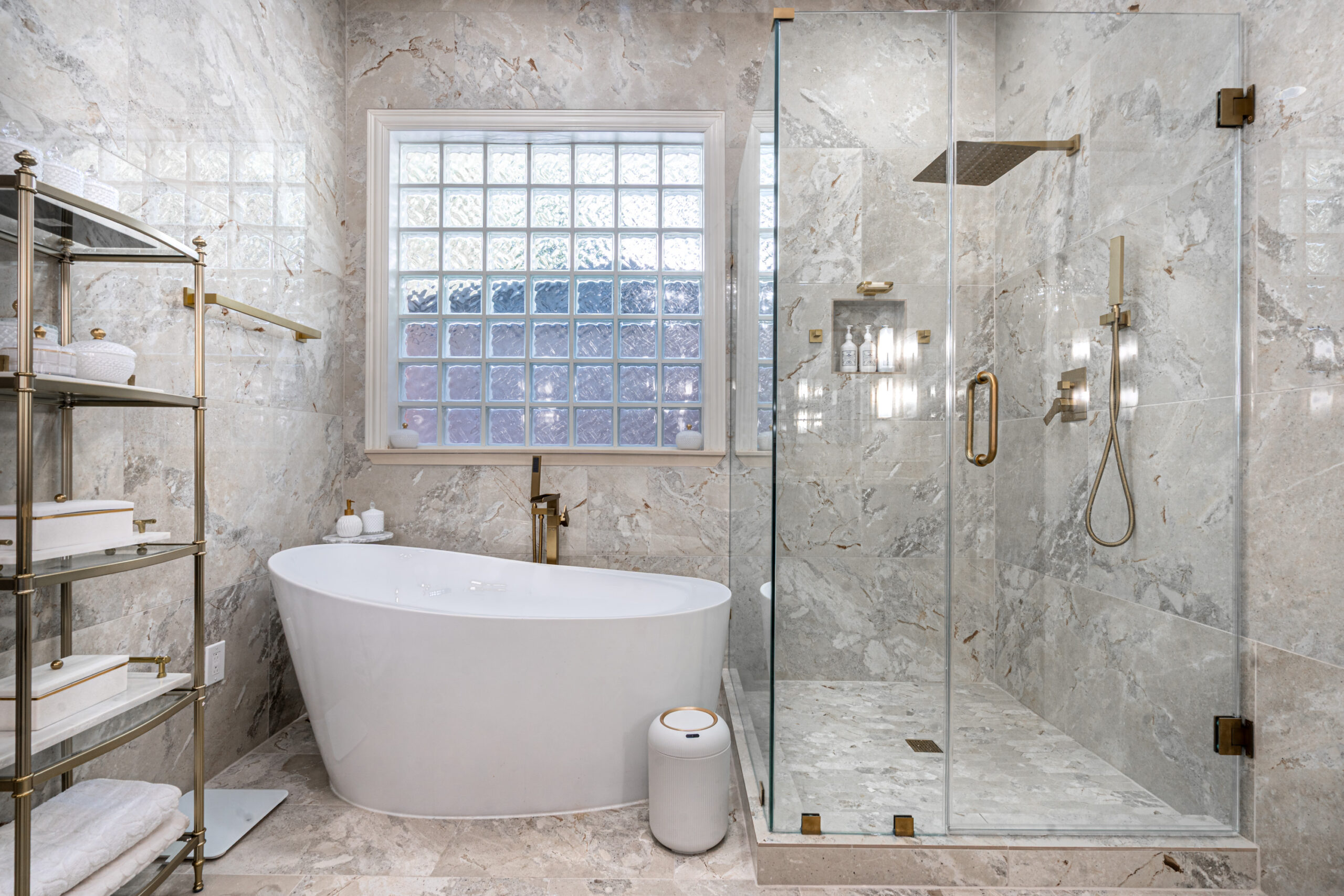
A new floor cannot solve a moisture problem that already exists underneath it.
Before replacing bathroom flooring, inspect the subfloor and check for signs of previous water damage. Soft areas, staining, odors, or uneven sections deserve attention before new material goes down.
This is particularly relevant in North Texas homes with concrete slab foundations. The condition of the slab, moisture conditions, and the installation requirements of the selected product all need to be considered.
The same principle applies to flooring for bathrooms as it does to flooring elsewhere in a DFW home: the surface is only one part of the system.
A beautiful new floor will not perform properly if the surface underneath has been ignored.
8. Don’t Assume Wood Flooring Is Automatically a Bad Choice
Wood flooring and bathrooms require a little more thought.
Traditional hardwood is more sensitive to prolonged moisture than materials designed specifically for wet areas. A bathroom with frequent splashes, poor ventilation, or a history of leaks may not be the right setting for it.
That does not mean every wood-look or engineered product should be ruled out. Product construction, installation method, moisture exposure, and manufacturer requirements all matter.
Homeowners comparing hardwood flooring Dallas options should look at the specific product rather than treating every wood floor the same way. Engineered hardwood, for example, is constructed differently from solid hardwood and may offer better dimensional stability, but it still should not be treated as a waterproof floor.
For bathrooms with regular water exposure, materials designed for that environment often make the maintenance side of ownership much easier.
A Simple Routine Can Prevent Bigger Problems
Bathroom flooring does not need complicated maintenance. The biggest improvement usually comes from paying attention to small things.
Wipe up standing water. Keep the exhaust fan running after showers. Check grout and caulk. Look around plumbing fixtures. Clean the floor according to the manufacturer’s instructions. If something suddenly looks, feels, or smells different, investigate it.
These habits are easy to overlook because none of them feel urgent. That is exactly why they work best as part of a regular routine rather than something you remember only after a problem appears.
If you’re choosing waterproof flooring for bathrooms, these same habits still apply. A water-resistant or waterproof product gives you another layer of protection, but good installation and basic care remain important.
Final Thoughts
Bathroom flooring has a difficult job. It has to handle water, humidity, cleaning, foot traffic, and everyday wear without becoming a maintenance headache.
The right material can make that job easier, but the way you look after the floor matters just as much. A few minutes spent drying wet areas or checking a loose piece of caulk can save you from dealing with a much larger flooring problem later.
For Dallas–Fort Worth homeowners, flooring decisions should also take the local environment and the home’s construction into account. There is no reason to choose a floor simply because it looks good in a showroom. The better choice is one that fits the room, the home, and the way you actually live.
Flooring Guide DFW helps homeowners compare flooring materials and understand what works in North Texas homes. Explore our bathroom flooring guides and other room-by-room resources before making your next flooring decision.
Frequently Asked Questions
What is the best flooring for bathrooms?
Porcelain tile and quality luxury vinyl are popular choices because they handle moisture well and are relatively easy to maintain.
How do I protect my bathroom floor from water?
Dry standing water quickly, use proper ventilation, maintain grout and caulk, and check plumbing fixtures regularly.
Is waterproof flooring maintenance-free?
No. Waterproof flooring can provide strong moisture protection, but proper cleaning, installation, and routine maintenance are still necessary.
Can hardwood flooring be used in a bathroom?
Some engineered hardwood products may work in specific bathroom applications, but homeowners should follow the product manufacturer’s moisture and installation requirements.
How often should I check my bathroom flooring?
A quick inspection every few weeks is useful. Pay particular attention to grout, caulk, plumbing areas, edges, and places where water tends to collect.