
Hardwood floors are an excellent choice for North Texas homeowners. They add strong resale value, offer long-lasting durability, and work especially well in main living areas. While hardwood floor maintenance can seem intimidating, this guide is designed to help homeowners like you and me care for their floors with confidence.
For homes in the Dallas area, it is generally recommended to maintain indoor humidity levels around 33% to 35% to help minimize movement and protect your floors from climate-related stress.

Understanding Hardwood Floors
Hardwood is a natural material, so some movement is expected. In Dallas homes, seasonal changes can cause slight gaps between boards, small hairline cracks, or subtle height differences. You may also notice natural color and grain variation across planks.
These aren’t flaws, they’re part of what makes real wood unique.
If you’re researching how to maintain hardwood floors in Texas, understanding this from the start helps set the right expectations.
Drying and Curing After Installation or Refinishing

If your floors were recently installed or refinished, giving them time to cure properly is key.
- Water-based finishes: Walkable within 4–6 hours, with full curing in about 7 days
- Oil-based finishes: Walkable after 24 hours, with full curing taking 2–4 weeks
During this time, avoid heavy furniture, rugs, or anything that could trap moisture or leave marks.
Daily Hardwood Floor Maintenance (DFW Homes)
Keeping hardwood floors clean in Dallas is mostly about managing dust and grit. North Texas homes tend to collect fine particles that can slowly wear down the finish if not cleaned regularly.
For everyday care:
- Sweep or dust mop frequently
- Use a soft vacuum attachment (no beater bar)
- Clean up spills right away
- Use a slightly damp cloth only when needed—never a wet mop
Once the floor is fully cured, stick to a pH-neutral hardwood floor cleaner. Avoid harsh chemicals, wax, or overly wet cleaning methods, as these can damage the finish over time.
Protecting Hardwood Floors from Wear and Damage
A few simple habits can make a big difference in extending the life of your floors:
- Use felt pads under furniture
- Avoid dragging heavy items across the surface
- Keep entry mats clean to reduce tracked-in dirt
- Wait at least 60 days before placing rugs after refinishing
In DFW homes, entryways are where most wear starts, so keeping dirt and grit under control is one of the easiest ways to protect your floors.
Light vs. Dark Hardwood Floors: What to Expect
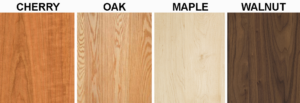
Lighter hardwood floors are popular in Dallas homes, but they do show more dust, footprints, and wear patterns. They may also show slight color changes over time, especially with sun exposure.
Seasonal gaps and natural movement can also be more noticeable on lighter tones, especially during dry months.
Humidity, Movement, and Seasonal Changes
Texas weather can be unpredictable, and hardwood reacts to those changes. Dry air in winter can cause slight gaps, while higher humidity in warmer months can lead to expansion.
Maintaining consistent indoor conditions with your HVAC system is one of the best ways to prevent long-term issues. This is a key part of proper hardwood flooring care in DFW.
Are Hollow Sounds Normal?
In some areas, your floor may sound slightly hollow when you walk across it. This usually comes from minor subfloor variations and is common in many homes. It doesn’t affect the strength or durability of the floor.
Choosing the Right Hardwood (Durability Matters in DFW) 
If you have pets, kids, or heavy foot traffic, choosing the right wood species makes a difference. Harder woods like white oak or hickory tend to resist dents and wear better than softer options.
Finish also plays a role. Wire-brushed or lightly textured finishes are popular in Dallas because they help hide scratches, dust, and everyday wear better than smooth, high-gloss floors.
Flooring Grades Explained
#2 or Character Grade has more knots, mineral streaks, and character markings. #1 Common Grade has fewer knots; the largest knot hole is about the size of a pencil eraser. Select Grade has minimal knots and streaks, offering a cleaner, more uniform appearance. Walnut and some species have unique grading processes specific to their characteristics.
By following these simple guidelines, your floors will stay beautiful and durable for years to come!