
If you’re planning to install new flooring in the Dallas-Fort Worth area, there’s one thing many homeowners overlook: the soil beneath their home.
North Texas is famous for its expansive black clay soil often called Black Gumbo. While it may not look like much from the surface, this soil constantly expands and contracts as weather conditions change. Over time, that movement can affect your home’s concrete slab, leading to flooring problems that are expensive to repair.
Whether you’re investing in hardwood, luxury vinyl plank (LVP), laminate, or porcelain tile, understanding how North Texas soil impacts your foundation can help you protect your investment for years to come.
Why North Texas Clay Soil Is Different
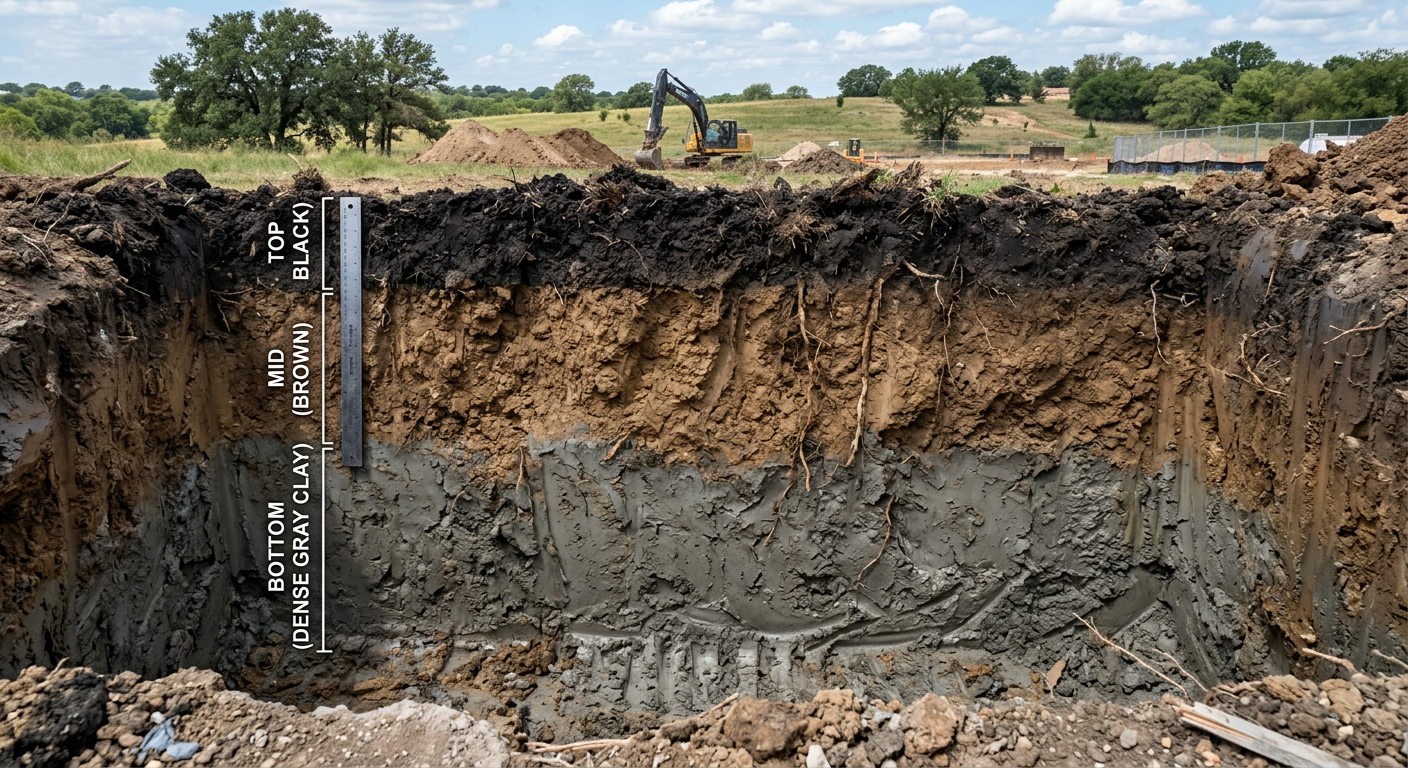
Unlike sandy or rocky soils, North Texas is built on highly expansive clay.
When heavy spring rains arrive, the soil absorbs water and swells significantly. During long stretches of summer heat, often exceeding 100°F, the same soil dries out, shrinks, and pulls away from your foundation.
This constant expansion and contraction creates pressure beneath your concrete slab year after year. Although the movement may happen slowly, it never completely stops.
How Expansive Clay Affects Your Concrete Slab
One of the biggest misconceptions is that a slab must crack before flooring problems appear.
In reality, even minor movement can create subtle changes in elevation across your floor.
The two most common patterns include:
Center Lift
During drought conditions, the soil around the outside of the home dries first. The center often retains moisture longer, causing the middle of the slab to rise slightly while the edges settle.
Edge Heave
After heavy rainfall, the soil around the perimeter rapidly absorbs moisture and expands upward, placing pressure on the outside of the slab.
These seasonal shifts can create:
- Small elevation changes
- Hairline slab cracks
- Uneven floors
- Low and high spots
- Slab flexing over time
Even differences of less than 1/8 inch can affect the performance of many flooring materials.
What Happens When New Floors Are Installed Over an Uneven Slab?
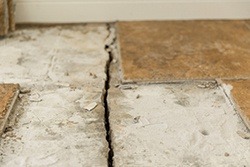
Installing flooring without properly preparing the concrete is one of the leading causes of premature flooring failure in North Texas.
Hardwood Flooring
Engineered hardwood requires a flat, stable surface.
If the slab contains low spots, the planks may bridge over the gaps instead of resting firmly against the concrete.
Homeowners often notice:
- Hollow-sounding floors
- Squeaking
- Soft spots
- Separation at locking joints
- Premature wear
As the slab continues to move, these issues typically become more noticeable.
Luxury Vinyl Plank (LVP)
Luxury vinyl flooring is durable, but it still depends on a properly prepared subfloor.
An uneven slab can cause:
- Joint separation
- Click-lock failures
- Visible ridges
- Premature wear patterns
- Movement underfoot
Moisture can also become trapped beneath floating floors, increasing the risk of odors and mold growth.
Large Format Tile
Large porcelain tiles have become increasingly popular throughout the Dallas-Fort Worth area.
Because tile has very little flexibility, even small slab imperfections can cause problems such as:
- Cracked grout
- Lippage (uneven tile edges)
- Loose tiles
- Tile fractures
- Hollow spots
Movement in the concrete transfers directly into the finished floor unless proper crack-isolation systems are installed.
Moisture Is Just as Important as Levelness

Expansive clay doesn’t only move—it also holds moisture.
When the soil beneath your home becomes saturated, water vapor naturally moves upward through concrete.
If moisture levels exceed flooring manufacturer specifications, problems may include:
- Adhesive failure
- Wood cupping
- Buckling
- Mold growth
- Flooring discoloration
That’s why professional moisture testing should always be performed before installation.
Proper Concrete Slab Preparation in North Texas
Preparing the slab is one of the most important parts of any flooring project.
Skipping these steps may save money initially but often leads to costly repairs later.
1. Moisture Testing
Professional installers should perform concrete moisture testing before beginning work.
Many flooring manufacturers recommend internal relative humidity testing (ASTM F2170) because it measures moisture deeper within the slab rather than only at the surface.
If moisture levels are too high, a vapor barrier or moisture mitigation system should be installed before flooring is laid.
2. Grinding High Spots
Concrete slabs are rarely perfectly flat.
Professional floor preparation often includes mechanical grinding to remove high spots and create a more uniform surface.
This process improves the performance of hardwood, vinyl, laminate, and tile installations.
3. Filling Low Areas
After grinding, low areas should be filled using a high-quality self-leveling underlayment.
This creates a flatter surface and helps reduce movement beneath the finished floor.
4. Crack Isolation for Tile
When installing porcelain or natural stone tile, uncoupling membranes or crack-isolation systems can help absorb minor slab movement before it reaches the tile surface.
These systems significantly reduce the likelihood of cracked grout and tile damage.
5. Choosing the Right Adhesives
Glue-down flooring requires adhesives designed for concrete slabs that experience seasonal movement.
High-performance polymer adhesives remain more flexible and provide better long-term durability than many traditional water-based products.
Questions to Ask Before Hiring a Flooring Contractor
Not every flooring installer understands the unique challenges of North Texas foundations.
Before signing a contract, ask questions like:
- Will you test the concrete for moisture before installation?
- Is slab grinding included in the estimate?
- Will low spots be leveled?
- What moisture protection system do you recommend?
- How will you handle floor height transitions between rooms?
- How much experience do you have installing flooring over North Texas slab foundations?
A knowledgeable contractor should be comfortable answering each of these questions.
Why Slab Preparation Is Worth the Investment
Many flooring failures aren’t caused by defective flooring, they’re caused by improper preparation underneath it.
Investing in moisture testing, slab leveling, and proper installation techniques can help prevent:
- Hollow floors
- Cracked tile
- Squeaks
- Buckling
- Adhesive failure
- Uneven flooring
- Premature replacement
Considering the cost of replacing hardwood or tile, proper preparation is one of the smartest investments homeowners can make.
Final Thoughts
Living in North Texas means living on expansive clay soil. While you can’t stop the ground from expanding and contracting, you can prepare your concrete slab so your new floors perform the way they’re designed to.
Whether you’re installing engineered hardwood, luxury vinyl plank, laminate, or porcelain tile, the success of the project starts long before the first plank or tile is installed.
A properly tested, leveled, and moisture protected concrete slab creates a stable foundation that helps your floors stay beautiful, quiet, and durable for decades.
Frequently Asked Questions
Can North Texas Black Clay Soil Damage My New Flooring?
Yes. North Texas black clay soil expands and contracts as moisture levels change throughout the year. This movement can affect concrete slab foundations and may contribute to flooring issues such as cracked tile, squeaky hardwood, separated LVP joints, or uneven floors when the slab is not properly prepared.
Does a DFW Concrete Slab Require Moisture Testing Before Installing Hardwood or LVP?
Yes. Moisture testing is an important step before installing flooring over a concrete slab in the Dallas-Fort Worth area. Concrete naturally allows moisture vapor to move through it, and excessive moisture can affect adhesives, hardwood, and luxury vinyl plank (LVP) installations. Professional installers should check moisture levels and confirm the slab meets flooring manufacturer requirements before installation.
What Is the Best Flooring for Custom Homes in the Dallas-Fort Worth Area?
The best flooring depends on your home’s design, lifestyle, and foundation conditions. Popular choices for DFW custom homes include engineered hardwood, luxury vinyl plank (LVP), waterproof laminate, and porcelain tile. The most important factor is selecting a material that works well with your home and installing it over a properly prepared concrete slab.
How Do Professional Contractors Level an Uneven Concrete Slab in DFW?
Professional flooring contractors typically correct uneven slabs by identifying high and low areas, grinding down raised sections, and applying self leveling compounds where needed. Proper slab preparation creates a flatter surface and helps reduce flooring problems such as movement, gaps, cracked grout, and premature wear.
How Do I Protect Hardwood and Tile Floors From North Texas Foundation Movement?
The best way to protect hardwood and tile flooring is to start with proper slab preparation. Moisture testing, floor leveling, crack isolation systems, and following manufacturer installation guidelines all help reduce the impact of normal North Texas foundation movement.