
Engineered hardwood floors are a beautiful and lasting investment. Each floor is made from natural wood species, giving unique characteristics such as grain patterns, color variations, and natural knots that enhance the beauty of your home.
In DFW, hardwood floors have to handle more than just everyday living. That’s where the Janka hardness scale comes in—it’s basically a way to measure how well a wood holds up to dents and wear, especially when you have kids or big dogs. In most family homes, white oak and hickory are solid choices because they’re tougher and hold up better over time, while softer woods like walnut or pine tend to show marks and dents more easily.
The finish matters just as much. In a place like Texas where there’s a lot of sunlight and activity, high-gloss floors can show every bit of dust and every small scratch. Wire-brushed or lightly distressed finishes are usually a better fit because they help hide everyday wear and still look good without constant upkeep.
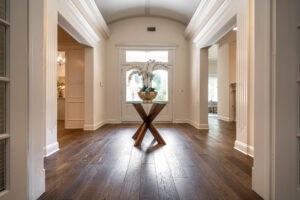
Natural Wood Characteristics 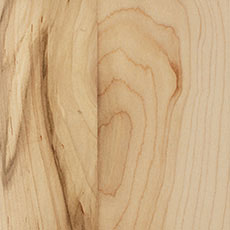
Engineered hardwood is still real wood, so some variation is completely normal. You might notice small hairline cracks, slight differences in board height, or natural shifts in color and grain. These aren’t defects, they’re just part of how wood behaves.
In DFW homes, it’s also common to see small gaps between boards during dry months. That’s due to humidity changes and is expected. Minor edge wear or splintering can happen over time, especially in high-traffic areas like entryways and living spaces.
Preventative Maintenance
A lot of long-term wear comes from dirt and grit, which is something most Dallas and Fort Worth homes deal with daily. Using entry mats at all exterior doors helps catch dust, sand, and debris before it gets tracked across the floor. Just make sure those mats are cleaned regularly so they don’t end up causing more wear.
Felt pads under furniture are a simple way to prevent scratches, and they should be checked occasionally since dirt can build up on them. If you have rolling chairs, softer rubber casters are a better option than hard plastic wheels.
Regular sweeping or dust mopping goes a long way. A vacuum with a brush attachment works well too—just avoid beater bars, which can be too aggressive for wood floors.
Cleaning and Everyday Care
When it comes to cleaning engineered hardwood floors in Texas homes, less water is always better. Wipe up spills as soon as they happen, and use a slightly damp cloth only when needed, followed by a dry towel.
Stick with cleaners made specifically for hardwood floors. Household products like vinegar or general-purpose sprays can wear down the finish over time, even if they seem harmless at first.
Keeping up with basic cleaning is the easiest way to maintain your floors and avoid bigger issues later.
Light and Natural Finishes
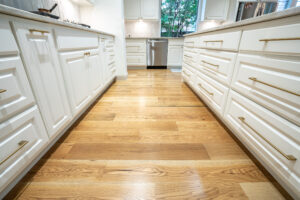
Lighter floors are popular across areas like Plano, Frisco, and Southlake, but they do show more dust, footprints, and everyday wear. They may also change slightly in color over time, especially in rooms with a lot of sunlight.
Seasonal gaps can be more noticeable on lighter floors, particularly during dry periods in North Texas. Scratches and traffic patterns may also stand out more compared to darker finishes.
Hollow Sounds
It’s normal to hear a slightly hollow sound in certain areas when walking across the floor. No subfloor is perfectly level, and small variations underneath can cause that effect. It doesn’t impact the durability or performance of the floor.
Expert Tip:
Engineered hardwood floors hold up well in DFW homes when they’re taken care of properly. Most of the wear you see over time comes from dirt, moisture, and daily use—all of which are manageable with a simple routine.
A little consistency goes a long way, especially in North Texas where the environment can be tough on flooring.